
 EN
EN
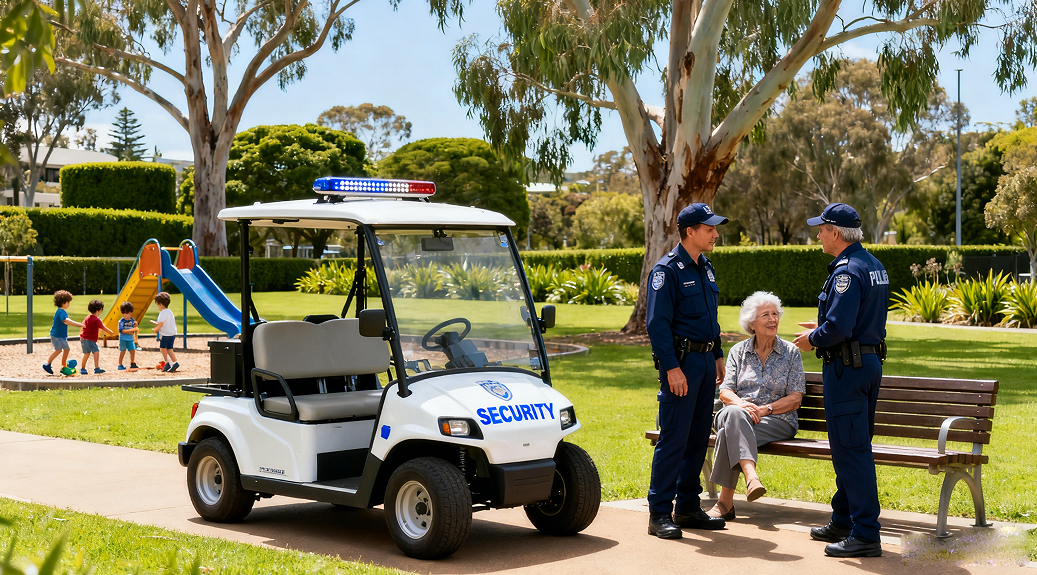
Modernizing Australian Security with Electric Patrol Cars
Transitioning from Traditional Patrol Vehicles to Electric Patrol Cars
Security forces across Australia are swapping out about one fifth of their old gas guzzler patrol cars for electric versions these days. The main reasons? Less noise disturbance in cities and those nice clean zero emission exhausts when operating around town centers. These electric cruisers run at around 60 to 70 decibels which is way down from the usual 85 to 90 db level of regular diesel engines according to Transport Safety Bureau stats from last year. That means officers can keep watch on things without drawing attention through engine noise while still keeping everyone safe on the streets. And there's another benefit too - departments that switched early say they're spending roughly 40 percent less on repairs after just three years compared to what they used to pay for their older fleet models.
Supporting National Sustainability Goals Through Eco-Friendly Police Fleets
According to research from the Climate Council in 2023, when law enforcement agencies switch to electric vehicles for patrols, each car cuts down on about 2.8 metric tons of CO2 every year. That's roughly what it takes to keep 14 typical Australian homes powered for a whole year. Some police departments across different states have started setting aside around 15 to 20 percent of their transportation funds specifically for buying electric cars. This move fits right into the broader National Electric Vehicle Strategy, which aims to get 30% of all government vehicles running on electricity by the end of 2025. The shift is happening gradually but steadily as departments weigh environmental benefits against operational needs.
| Metric | Electric Patrol Car | Traditional Vehicle |
|---|---|---|
| Annual Fuel Cost | $1,200 | $4,500 |
| Maintenance Hours/Month | 3.2 | 8.7 |
| CO² Emissions/Tonne | 0 | 4.1 |
Building Public Trust with Visible, Green Security Operations
According to a 2024 ANU Social Research survey, 67% of Australians view eco-friendly patrol vehicles as evidence of responsible governance. Security teams using electric patrol cars report 31% more public interactions during community engagement programs, with 82% of participants describing the vehicles as "approachable" compared to conventional police units.
Improving Rapid Response in Crowded Public Zones Using Electric Technology
Superior Acceleration and Maneuverability of Electric Patrol Cars in Dense Areas
Electric patrol cars offer 62% faster acceleration than combustion-engine models, reaching operational speeds quickly in high-density environments where response time is critical. Instant torque delivery and compact design allow precise navigation through pedestrian zones, shopping districts, and event venues – key advantages when clearing paths during emergencies.
Electric vs. Combustion-Engine Carts: A Performance Comparison in Emergency Response
Field tests highlight three key benefits of electric security vehicles:
- 15% shorter braking distances (42 meters vs. 49 meters at 60 km/h)
- 78% lower cabin noise levels (54 dB vs. 87 dB), improving communication with civilians
- 360° camera systems standard in 92% of modern electric models versus 43% in legacy fleets
These features enhance coordination across agencies during large-scale incidents like mass gatherings or transit disruptions.
Evidence from Melbourne CBD: 23% Faster Deployment Times with Electric Carts
When Melbourne rolled out those 14 electric patrol cars in the CBD back in 2023, emergency crews started getting to incidents roughly 2 minutes quicker compared to their gas guzzlers. The difference was noticeable right away. Officers mentioned they could see things better at night thanks to those thermal cameras, plus spotting license plates became much easier with the new recognition tech built into the dash. And let's talk money - each electric car saved around $18k a year on maintenance alone. That kind of saving adds up fast when looking at whole fleets, making the switch from traditional vehicles to electric ones look like a smart move for departments watching their budgets while still needing reliable service.
Strengthening Security Operations with Real-Time Reporting and Digital Integration
Onboard digital systems enabling instant incident reporting
Electric patrol cars today come with built-in tablets that slash the time needed to document incidents by around 40% when compared to old fashioned paper work (Security Tech Review mentioned this back in 2023). Police officers now have the ability to send reports tagged with GPS locations along with photos or videos within just over a minute using those touch screens. This really matters because it helps keep evidence accurate when things happen quickly on scene. The system also automatically fills out forms based on local rules and adds time stamps, which makes sure everything follows what's required nationally for police procedures.
Cloud-connected electric patrol cars for seamless command center integration
The latest technology sends information straight to the cloud, which helps field workers stay connected with headquarters in real time. Take Queensland's big floods last year for instance cloud connected patrol cars made a real difference. By tracking where each vehicle was and sending updates about what was happening on site, authorities got better at allocating resources. Some reports say they were able to improve accuracy by around 30 percent during those operations. These systems work well with older CAD setups too, so there's no need for staff to type everything in manually anymore. Supervisors can now keep an eye on several units at once without getting overwhelmed by paperwork.
Balancing transparency and accountability with public concerns over surveillance
While 78% of Australians support body-worn cameras on officers (ANU Centre for Social Research, 2023), the 360-degree recording capabilities of electric patrol cars require careful oversight. Agencies maintain public trust through:
- Data encryption aligned with Protective Security Policy Framework (PSSF) guidelines
- Automatic redaction of non-essential civilian identifiers in public records
- Audit trails tracking access to evidentiary footage
This framework supports ethical surveillance while meeting demands for accountability in public spaces.
Overcoming Operational Challenges in Adopting Electric Patrol Cars Across Australia
Current State Led Trials of Electric Vehicles in Law Enforcement Fleets
Several state governments are running test programs with electric patrol cars across cities and regional areas. According to a report from last year, Victoria and Queensland aim to have around 18 percent of new police cars as electric models by 2025, especially deploying them where there are lots of pedestrians and in neighborhoods with higher crime rates. The initial findings point to about 12% savings on fuel expenses when these cars operate at night. However, how well they perform in really hot or cold weather is still being looked into by authorities.
Battery Life and Charging Infrastructure Limitations in Remote Regions
The push for urban electric vehicle deployments keeps growing, though remote regions still struggle with inadequate charging options. Take the Northern Territory for instance where patrols covering over 400 kilometers have about a one in three chance of running out of power because there just aren't enough fast chargers along the way according to that recent 2023 infrastructure report we all heard about. Down in Western Australia they're trying something different though. The state government has started testing mixed approaches like those solar powered charging stations popping up across the desert and these mobile battery units that follow convoys through the outback. Makes sense really when thinking about how tough it is to maintain consistent power supply in such vast, sparsely populated areas.
Addressing the Cost Paradox: High Initial Investment vs. Long-Term Savings
The initial cost of electric patrol cars is around 40% more than regular vehicles according to NSW Treasury data from 2022, but they save about 35% on running costs over five years because electricity is cheaper and there's less wear and tear. Police departments facing budget constraints are finding ways around this problem. For instance, South Australia Police have started replacing their fleet gradually instead of all at once, and some officers lease batteries rather than buy them outright. These approaches help police forces work towards their goal of having completely zero-emission fleets by 2035 without breaking the bank too badly.