
 EN
EN
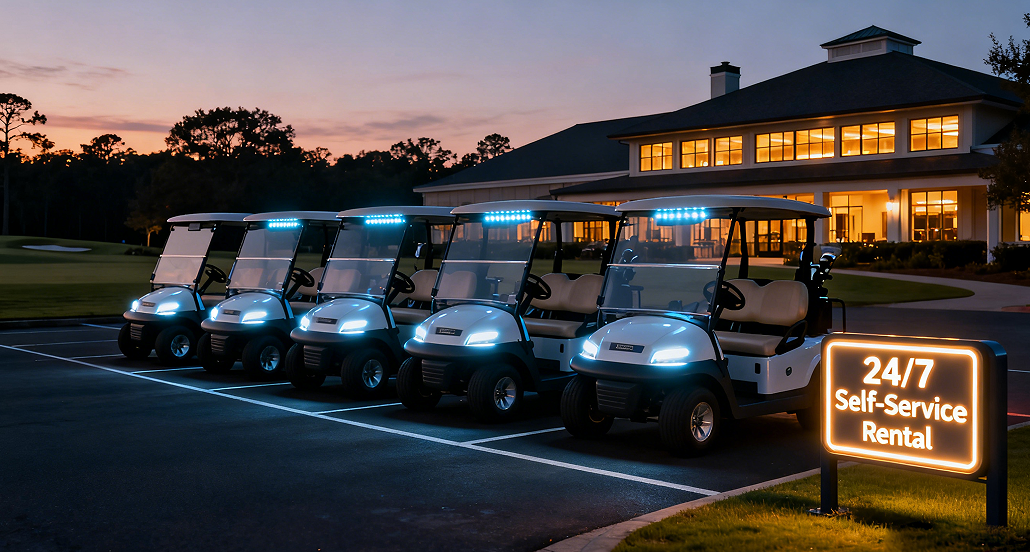
Streamline Fleet Management with Centralized Systems
Rising Demand for Efficient Golf Cart Operations in Australia
Australian golf clubs face a 27% year-on-year increase in golf cart bookings (2024 National Golf Census), driven by aging demographics and expanded memberships. Regional facilities report longer wait times during peak seasons, straining existing operational models.
Centralized Fleet Management for Regional Club Efficiency
Unified systems consolidate reservations, maintenance schedules, and route coordination through single dashboard interfaces. Clubs using centralized platforms reduce administrative workload by 32% while maintaining 98% fleet availability across multi-course facilities.
Case Study: Wollongong Golf Club Boosts Utilization by 35%
A NSW coastal club achieved 93% weekday cart utilization through real-time inventory balancing across its 27-hole complex. Their system automatically reallocates underused carts between championship courses and practice ranges during twilight hours.
Adopting Cloud-Based Scheduling Platforms for Real-Time Control
Modern solutions enable dynamic adjustments via live cart GPS tracking, automatic conflict resolution for double-bookings, and weather-based deployment algorithms. Staff coordinate tee-time allocations with greenkeeping teams through integrated calendars, reducing course congestion by up to 19%.
Dynamic Allocation Based on Booking Trends and Course Layout
Looking back at historical data shows something interesting: around 73 percent of weekend golfers want carts early in the day, especially at inland courses compared to those by the coast. Intelligent management systems have started focusing on getting carts out there first thing in the mornings across those hilly parts of the course. They also tend to send more carts toward the clubhouse area later in the afternoon. These systems adjust their routes depending on whether it's tournament play or just regular weekend fun. Golf clubs report better experiences from members when they match cart availability to actual conditions on the course and what players actually need during their rounds. Some facilities have seen satisfaction ratings jump by about a quarter when they get this right.
Leverage Technology for Tracking, Reservations, and Access
Digital Transformation in Australian Golf Facilities
More than three quarters of Australian golf clubs have started using automated systems for managing their golf carts these days. Members want to book carts instantly and club staff definitely appreciate having less paperwork to deal with. Looking at industry data from the 2023 Event Tech Adoption Report makes this trend even clearer. The study found that golf courses which went digital saw their turnaround time between players dropping off and picking up carts speed up by around 27%. Makes sense really when you think about how frustrating it can get waiting for someone to manually check availability.
Real-Time GPS Tracking and Automated Reservation Systems
Modern telematics solutions combine GPS tracking with reservation software, allowing staff to monitor cart locations, predict battery life based on terrain gradients, and auto-assign vehicles according to tee-off sequences. These systems reduce idle time by 19% compared to manual allocation methods, according to Golf Australia's 2024 course efficiency benchmarks.
Case Study: Gold Coast Club Cuts No-Shows by 40% with App Booking
After implementing a member-exclusive app with automated calendar syncs, Gold Coast Golf Club slashed last-minute cancellations from 22% to 13% of bookings. The system sends pre-round SMS reminders, alerts when carts reach staging areas, and distributes post-round feedback surveys—improving communication and accountability.
Mobile Integration and Member Portals for Seamless Rental Experience
Leading clubs integrate cart bookings with green fee payments and tournament registrations into a single transaction flow. Members can reserve carts during event sign-ups, customize preferences like shade covers or cooler attachments, and share booking slots through social channels—enhancing convenience and engagement.
RFID Tags and IoT Sensors for Usage Monitoring and Theft Prevention
Radio-frequency identification (RFID) tags now track over 90% of rented golf carts in New South Wales clubs, reducing theft losses by 60%. Sensors trigger maintenance alerts when battery cycles exceed thresholds, tire pressure falls below safety standards, or acceleration patterns suggest mechanical stress—enabling proactive interventions.
Ensure Maximum Uptime with Proactive Maintenance Strategies
High Wear Rates Due to Diverse Australian Terrains
Golf carts across Australia take a real beating from all sorts of harsh conditions. The coastal areas bring constant humidity that eats away at metal parts, while the dry outback throws dust into every crevice, and those hilly courses just wear down everything faster. According to a recent 2023 study on equipment reliability, carts running in these mixed environments need parts replaced about 40% more often compared to ones stuck in one climate zone. Clubs have learned they need different maintenance approaches depending on location. Coastal operators stock up on rust-proof components because salt air is brutal on regular steel. Meanwhile inland courses spend extra time checking suspension systems since their rough terrain puts so much stress on shocks and wheels.
Scheduled Preventive Maintenance Reduces Costs by Up to 30%
Routine inspections of brakes, batteries, and tires lower repair expenses by addressing issues before failure. Clubs implementing monthly checklists report 28% fewer emergency callouts (FieldEquip 2023). Key actions include cleaning battery terminals to prevent acid buildup, adjusting tire pressure for terrain-specific loads, and replacing brake pads every 500km.
Case Study: Adelaide Hills Club Extends Cart Lifespan by Two Seasons
By adopting a preventive maintenance program, this South Australian club reduced battery replacements from annual to triennial cycles. Technician inspections every 250 operating hours identified motor brush wear early, decreasing drivetrain failures by 62%. The strategy delivered AU$15,200 in annual savings through deferred capital expenditures.
Predictive Maintenance Using Battery and Motor Diagnostics
Cloud-connected diagnostic tools analyze 14 performance metrics in real time, including:
| Metric | Alert Threshold | Action Triggered |
|---|---|---|
| Battery Voltage Drop | >12% overnight | Cell replacement dispatch |
| Motor Temperature | 65°C+ sustained | Forced cooling cycle |
These systems predict battery failures 14 days in advance with 89% accuracy, minimizing mid-round breakdowns.
On-Site Technician Partnerships and Digital Maintenance Logs
Regional clubs partnering with local service providers achieve 45-minute average response times for critical issues—72% faster than national providers. Digital logs tracking fluid changes, part replacements, and repair histories support compliance with Australian Consumer Law warranty requirements and streamline resale value assessments.
Enhance Golfer Experience Through Smart Cart Availability and Placement
Cart Availability Directly Impacts Player Satisfaction
Immediate access to golf carts ranks among the top three factors influencing player satisfaction, according to 2024 club management surveys. Clubs with real-time availability dashboards report 22% higher guest retention compared to facilities relying on manual booking systems.
Minimizing Wait Times and Optimizing Course Flow
GPS-enabled fleet tracking reduces average wait times by 40% by aligning cart rotations with tee-off patterns. Courses using dynamic routing algorithms note a 15% improvement in daily player throughput and reduced wear on high-traffic turf areas.
Case Study: Tasmanian Club Achieves 25% Rise in Return Visitors
A regional club adopted smart charging stations at key course intersections, enabling players to swap carts mid-round. This flexibility—combined with AI-driven demand forecasting—helped achieve a 25% year-over-year increase in repeat bookings.
Personalized Rental Options: Utility vs. Standard Carts
Members now expect tiered rental packages:
- Recreational Tier: Basic carts with GPS course mapping
- Performance Tier: Weather-resistant utility models with stroke analytics
- Premium Tier: ADA-compliant carts featuring swivel seats and tablet integration
Clubs offering three rental tiers see 31% higher ancillary revenue versus single-option providers.
Peak-Hour Rotation and Priority Booking Tiers
Strategic cart depots near the 5th, 9th, and 14th holes allow players to transition between walking and riding without returning to the clubhouse. Combined with member loyalty booking windows, this approach reduces morning peak-hour congestion by 58%.
Comply with Regulations and Promote Responsible Golf Cart Use
Navigating Australian Golf Cart Regulations for Public Pathways
Golf clubs across Australia need to follow different rules depending on which state they're in when it comes to letting carts roll along shared paths. According to recent NSW laws from Transport for NSW (2023), any golf cart that wants to travel on public roads needs proper safety checks first. These vehicles also have to be fitted with devices that keep them under 25 km/h speed limit and wear some sort of reflective tape so they can be seen at night. The numbers tell an interesting story too. Last year's Golf Facility Safety Audit showed something pretty clear - clubs that actually followed all these regulations saw a massive drop in accidents happening on those shared paths. We're talking about almost half fewer incidents than places where nobody bothered with compliance.
Adhering to Local Transport Laws for Off Course Mobility
The rules about where golf carts can go vary quite a bit from one region to another. Take Queensland for instance they allow these carts on roads as long as they're properly registered and meet street legal standards. But head down to Victoria and suddenly things change completely there the local regulations keep all those little vehicles strictly within the confines of actual golf courses. For clubs located near popular tourist spots, getting a Low Speed Vehicle permit is absolutely necessary plus they need to check those brakes every three months without fail. According to numbers released by transportation officials last year, around 8 out of 10 regional clubs have started implementing geo fencing tech to make sure nobody drives outside their designated areas accidentally.
Balancing Club Accessibility with Municipal By-Laws
When golf courses try to extend their cart paths into shopping areas or neighborhoods, they often run into trouble with local zoning rules. According to recent data from the Gold Coast City Council, almost two thirds of applications last year got approved for wider cart access, but only after the clubs showed detailed safety plans for routes and explained how these changes would actually benefit nearby communities. Getting ahead of potential conflicts by talking early with city officials seems to work best. Many club managers find that showing real commitment to both golfer convenience and keeping pedestrians safe goes a long way toward smoothing out these regulatory hurdles.
Registering Utility Carts and Installing Safety Equipment
If someone gets caught using an unregistered utility cart these days, they could face a fine of up to $2,200 according to the latest changes in Australian Consumer Law set out by ACCC back in 2023. The rules require several important upgrades including lights that work both day and night and can be seen clearly from around 200 meters away. There's also a requirement for reverse warning sounds that hit at least 85 decibels when heard nearby, plus seat belts that meet specific safety standards outlined in AS/NZS 2596:2022. According to research conducted for park maintenance equipment, getting all these registrations sorted out along with installing the necessary safety features actually cuts down on insurance costs by about 19 percent. Plus it tends to make those vehicles last longer overall too.
Table of Contents
-
Streamline Fleet Management with Centralized Systems
- Rising Demand for Efficient Golf Cart Operations in Australia
- Centralized Fleet Management for Regional Club Efficiency
- Case Study: Wollongong Golf Club Boosts Utilization by 35%
- Adopting Cloud-Based Scheduling Platforms for Real-Time Control
- Dynamic Allocation Based on Booking Trends and Course Layout
-
Leverage Technology for Tracking, Reservations, and Access
- Digital Transformation in Australian Golf Facilities
- Real-Time GPS Tracking and Automated Reservation Systems
- Case Study: Gold Coast Club Cuts No-Shows by 40% with App Booking
- Mobile Integration and Member Portals for Seamless Rental Experience
- RFID Tags and IoT Sensors for Usage Monitoring and Theft Prevention
- Ensure Maximum Uptime with Proactive Maintenance Strategies
- Enhance Golfer Experience Through Smart Cart Availability and Placement
- Comply with Regulations and Promote Responsible Golf Cart Use