
 EN
EN
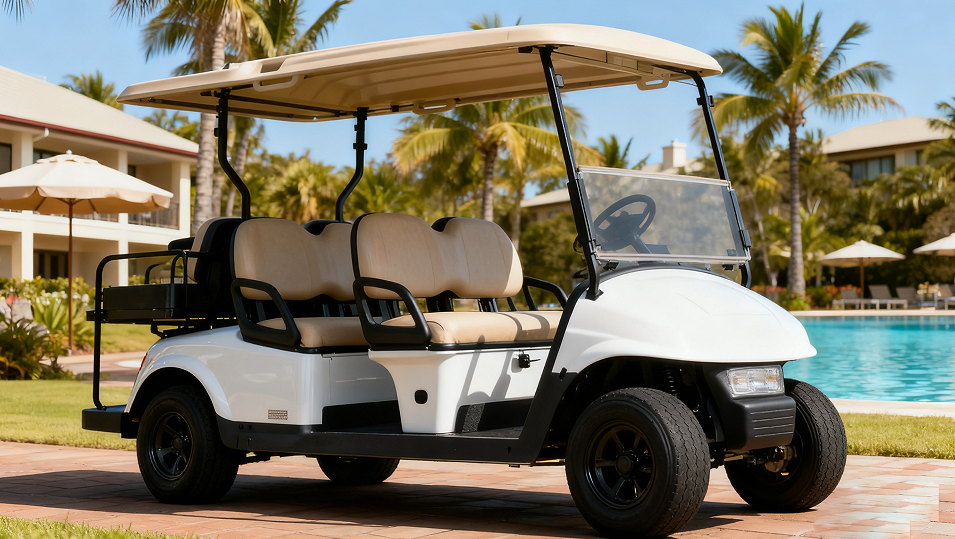
Understanding the Role of a 6-Seater Golf Cart in Resort Operations
The Growing Use of 6-Seater Golf Carts in Resorts and Hospitality Businesses
Many resorts and hotels these days have started using those big 6 passenger golf carts for getting groups around the property. The truth is, they save money because staff don't have to make so many separate trips across large campuses. Some places report savings somewhere around 35 to 40 percent on operating expenses. Plus guests seem happy too since everyone gets where they're going faster. These carts work really well at bigger properties where people might otherwise struggle with transportation. Think about family groups bringing lots of bags or moving gear between different parts of a resort complex. That's exactly what these vehicles were made for.
Intended Use for Resorts and Event Spaces Across Australia
Down under, Australian resorts need tough transportation that can tackle all sorts of terrain - think soft sand at the beach versus rough dirt tracks in the outback. The six person carts with around 15 to 25 centimeters of ground clearance do the job pretty well actually. These little workhorses aren't just for getting guests around day to day but also play a big role during special events. Take the wineries in Margaret River for instance, where visitors often want to sample some fine drops while exploring the vineyards. And then there are those big corporate gatherings happening at Gold Coast convention centers where looks matter almost as much as functionality when transporting people between venues.
Versatile for All Occasions: From Guest Transport to Event Logistics
Six seat golf carts offer way more than just getting from point A to B. The back seats actually fold down to create space for carrying stuff, which comes in handy at events. Plus, many models are built to withstand rain and sun, so they work great at beachside weddings or music festivals where regular vehicles might struggle. Down under in Australia, resort managers have noticed their operations run smoother by around 20-30% when staff use these carts instead of walking everywhere. They're perfect for moving supplies between buildings, delivering meals to guests, and even giving tourists a quick tour around the property. These versatile little machines keep working all year round despite whatever weather Mother Nature throws at them.
Key Features and Specifications of a Golf Cart 6 Seater
Seating Capacity and Passenger Comfort in 6-Passenger Golf Cart Models
A 6-seater golf cart prioritizes ergonomic design, offering 51 inches of hip room and 34.6 inches of legroom per row (Resort Mobility Study, 2023). High-density foam cushions and contoured backrests enhance comfort during extended tours, while UV-resistant materials protect against Australia's intense sunlight.
Golf Cart Comfort and Safety Features for Resort Guests
Modern models include dual-action hydraulic shock absorbers for smoother rides and three-point seat belts compliant with Australian safety standards. Waterproof LED lighting improves visibility during evening operations—essential for coastal or rural resorts with limited infrastructure.
Performance Metrics: Speed, Range, and Ground Clearance
| Specification | Electric Models | Gas-Powered Models |
|---|---|---|
| Top Speed | 25–32 km/h | 32–40 km/h |
| Operational Range | 90–120 km | 110–140 km |
| Ground Clearance | 15–20 cm | 18–25 cm |
| Electric variants operate quietly (<60 dB), ideal for serene resort environments, while gas models offer better performance on steep gradients found in hilly regions. |
Durability and Build Quality for Australian Outdoor Landscapes
Aluminum-alloy frames with powder-coated finishes resist saltwater corrosion, validated through accelerated weathering tests simulating Queensland's tropical climate. Reinforced suspension systems support payloads of 1,100–1,400 lb, meeting durability expectations of 87% of resort operators (Hospitality Vehicles Survey, 2023).
Electric vs Gas-Powered Golf Carts: Which Is Better for Resorts?
Electric vs Gas-Powered Golf Carts for Commercial Use in Resorts
Resorts must balance guest comfort, efficiency, and sustainability. Electric 6-seater golf carts emit zero tailpipe emissions and operate below 60 dB, making them ideal for eco-conscious properties. Gas-powered models deliver higher torque for steep inclines but produce 4–5 times more greenhouse gases and require frequent refueling.
| Feature | Electric Carts | Gas-Powered Carts |
|---|---|---|
| Fuel Efficiency | $0.06/km (electricity) | $0.22/km (gasoline) |
| Maintenance Costs | 35–50% lower over 5 years | Higher engine upkeep |
| Terrain Adaptability | Paved pathways, flat terrain | Rugged trails, steep grades |
Golf Cart Battery Technology: Lithium vs Lead-Acid Efficiency
Lithium-ion batteries dominate modern electric carts with over 2,000 charge cycles and 95% energy efficiency, far surpassing lead-acid batteries' 500 cycles and 70% efficiency. While lithium has a 30% higher upfront cost, its 8–10 year lifespan reduces downtime and disposal expenses—making it a smart long-term investment for high-traffic resorts.
Eco-Friendly and Cost-Effective Transportation Solutions in Practice
Australian resorts that adopt electric fleets report 18–24% annual savings in transport costs. Integrating solar-charging infrastructure amplifies these benefits; a 2024 industry study found such systems offset 60% of energy needs, enhancing both sustainability and cost control.
Customization and Technology Options for 6-Seater Golf Carts
Golf Cart Customization Options: Seating, Paint, and Tech Features
The latest six passenger golf carts come with something like twelve different seating arrangements these days. Some have fold down back seats that let folks carry extra stuff when needed, plus they sit on top of really nice UV resistant vinyl seats that won't fade easily. Most manufacturers coat their frames with this special powder coating that stands up to bad weather, and they offer them in well over 150 color options. About three out of four resorts go for custom painted versions so everything matches their brand look. When it comes to tech features, things have gotten pretty fancy too. Waterproof Bluetooth systems and built in tablet holders are becoming standard equipment on nearly all the commercial models according to recent industry reports from last year.
Customisation for Branding and Enhancing Guest Experience
Resorts use golf carts as mobile branding platforms—logo placements on seatbacks and custom decals increase brand visibility by 40% during guest transit. Color-matched canopies and embroidered headrests strengthen visual identity, while modular accessory rails allow quick changes for events, such as floral arrangements or LED signage.
Tech Integrations: GPS, Charging Ports, and Climate Control
Contemporary 6-seater models feature:
| Technology | Resort Application | Usage Increase (2023) |
|---|---|---|
| Fleet GPS Tracking | Route optimization for staff | 65% |
| Wireless Chargers | Guest device support | 89% |
| Dual-Zone AC | Comfort in tropical/arid regions | 112% |
These integrations improve operational efficiency and passenger comfort across Australia's varied climates.
Adapting Carts for Accessibility and Diverse Guest Needs
Twelve percent of Australian resorts retrofit carts with accessibility features such as 3-second-deployment wheelchair ramps and swivel seats. Tactile control panels assist vision-impaired guests, while 360° camera systems help prevent accidents in busy pedestrian zones—critical given that resort carts operate in mixed-traffic areas 73% more often than course-only models.
Total Cost of Ownership and ROI for Resort Operators
Golf cart pricing and long-term ownership costs
The initial price of a 6-seater golf cart ranges from $15,000 to $35,000 AUD, accounting for only 40–50% of total ownership costs. Additional expenses include battery replacements ($2,000–$5,000 every 4–8 years for electric), annual tire replacements ($600–$1,200), and insurance averaging $800–$1,500/year per cart. Over five years, gas-powered models incur fuel costs 65% higher than electric alternatives.
Maintenance, insurance, and operational savings with electric models
The electric 6 seater models tend to need about 30 to 40 percent less maintenance overall because there are just so many fewer moving parts involved. People who own these vehicles find they rarely have to replace brakes either something that happens roughly twice as much with traditional gas powered carts. Take for instance what happened at an Australian resort back in 2022 when they made the switch to electric options. Their energy bills dropped around $1200 per cart each year and they completely stopped spending money on fuel altogether. Plus, most owners report paying anywhere from 15 to 20 percent less for insurance too since there's simply less chance of fires occurring with battery power instead of combustion engines.
Return on investment for resort operators in Australia
Resorts achieve ROI within 2–4 years through:
- 25–35% reduction in staff transport time
- 20% higher guest satisfaction linked to quieter electric operation
- $3,000–$5,000 in annual savings per cart
Operators can accelerate payback using government incentives like the Clean Energy Finance Corporation's low-interest loans, which cover up to 60% of EV fleet upgrade costs for eligible businesses.
Table of Contents
- Understanding the Role of a 6-Seater Golf Cart in Resort Operations
- Key Features and Specifications of a Golf Cart 6 Seater
- Electric vs Gas-Powered Golf Carts: Which Is Better for Resorts?
- Customization and Technology Options for 6-Seater Golf Carts
- Total Cost of Ownership and ROI for Resort Operators