
 EN
EN
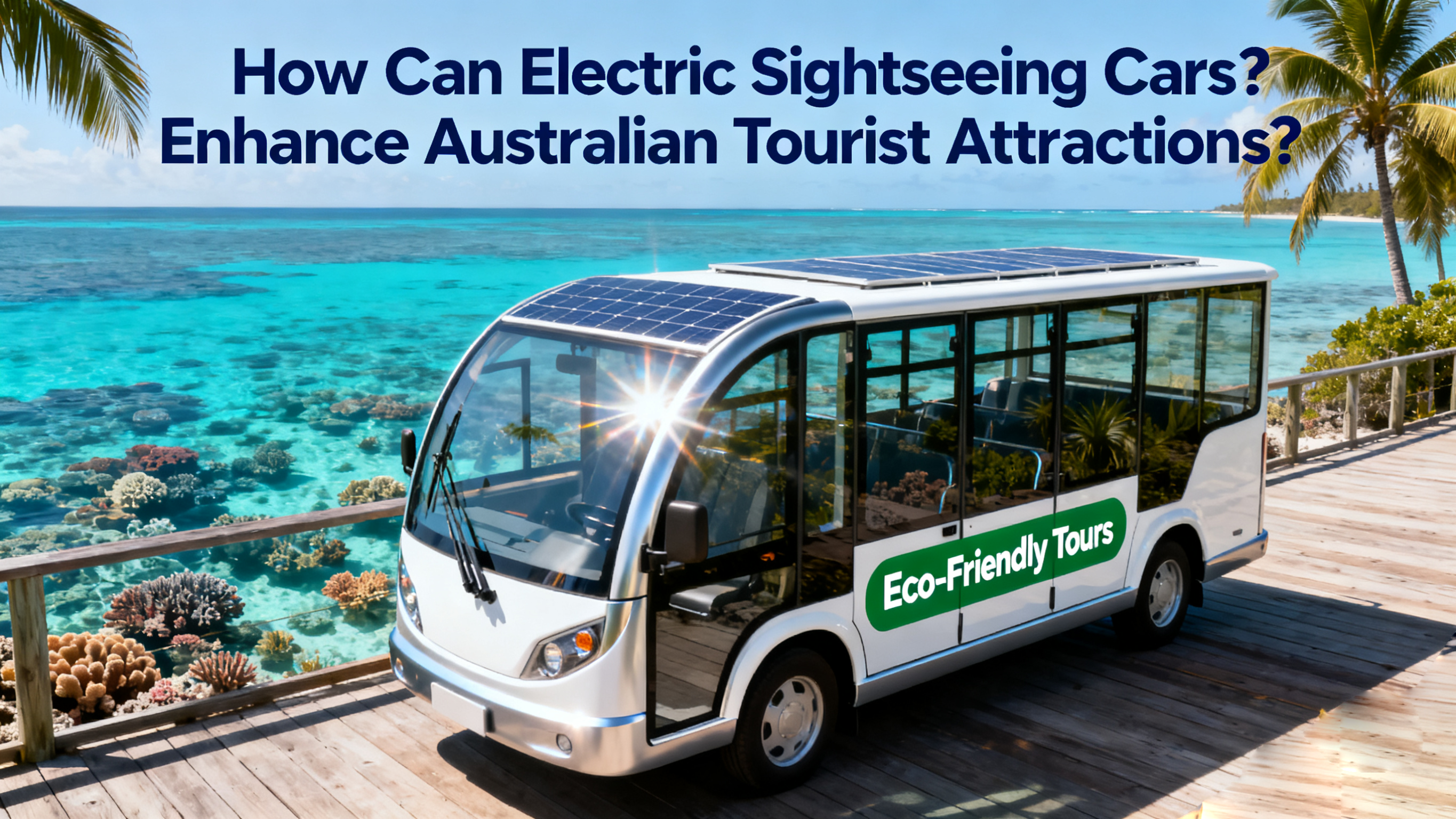
Advancing Sustainable Tourism with Electric Sightseeing Cars
Aligning electric sightseeing cars with Australia's national sustainability goals
Electric sightseeing cars are helping Australia move closer to its goal of reaching net-zero emissions by mid-century. These emission-free vehicles back up the National Electric Vehicle Strategy, which aims to cut down on transportation pollution by half in areas where tourism is big business by the end of this decade. Tourism companies switching to electric vehicle fleets can actually save money through government tax breaks at the same time they're keeping places like the Great Barrier Reef safe from the harmful effects of traditional transport methods. Many tour operators along the east coast have already made the switch, finding that customers appreciate the cleaner experience just as much as the environmental benefits.
Reducing carbon emissions in tourism through widespread electric sightseeing car adoption by 2030
The tourism industry contributes around 7 percent to Australia's overall transport emissions according to data from Clean Energy Regulator back in 2023, which means getting those tour fleets running on electricity isn't just smart it's practically essential these days. When traditional diesel tour buses get swapped out for electric alternatives, each passenger ends up producing roughly three quarters less carbon pollution without sacrificing how far these vehicles can travel between charges. Take the folks operating tours around Cradle Mountain in Tasmania for instance they've managed to cut their expenses by about 40 percent simply by charging their buses during cheaper nighttime hours and incorporating some solar power into their operations, something that recent studies on green transportation methods have confirmed works pretty well across different regions.
Integrating electric sightseeing cars into broader sustainable tourism strategies
Three-phase implementation maximizes impact:
- Infrastructure optimization: Co-locating charging stations with visitor centers and trailheads
- Experience design: Developing audio tours explaining emission reductions in real-time
- Certification alignment: Meeting Climate Active requirements for carbon-neutral tours
The success of European EV tourism models shows how integrated electric transport networks can increase off-season visitation by 22% through enhanced environmental credentials, according to the LEMO Project.
Improving Visitor Experiences Through Quiet, Eco-Friendly Transport
Enhanced Nature Experiences via Noise Reduction from Electric Sightseeing Cars
Electric sightseeing cars cut down noise levels by around 85% compared to their diesel counterparts, letting visitors actually hear what nature sounds like without constant engine roar drowning everything out. According to a recent 2024 sustainability study, nearly all eco-conscious travelers (about 94%) put "keeping things quiet" at the top of their list when picking travel spots these days something only electric vehicles can really deliver on. The silence factor matters for wildlife too. Field studies in places such as Queensland's famous Daintree Rainforest have shown animals startle much less often when there's no loud machinery nearby. One particular study noted almost a three quarters drop in startled reactions among local fauna in these sensitive habitats.
Boosting National Park Visitation with Quiet and Eco-Friendly Electric Transport
National parks that have switched to electric sightseeing vehicles see around 22 percent better visitor satisfaction ratings than those still running on gas powered tours. People seem happier because they don't feel so guilty about their carbon footprint while exploring, plus the experience feels more immersive without engine noise getting in the way. Take Karijini National Park down in Western Australia for instance. When they brought in those quiet electric shuttles back in 2023, folks started coming back much more often. The numbers show something like a 40% jump in repeat visitors just twelve months later. And it's not just local folks either. According to some research published last year on sustainable travel practices, nearly seven out of ten international tourists are specifically looking for places where they can get around using electric transportation these days. They see this kind of infrastructure as a sign that a destination takes environmental responsibility seriously.
The synergy of near-silent operation and zero tailpipe emissions positions electric sightseeing cars as transformative tools for reconciling tourism growth with Australia’s ecological preservation imperatives.
Transforming Iconic Australian Tourist Routes with Electric Sightseeing Cars
Great Ocean Road: A Model for Electric Sightseeing Car Tourism Networks
Take Australia's Great Ocean Road as an example of what happens when electric sightseeing cars hit the road. When tour companies swapped out those gas guzzlers for electric models, they cut down on emissions along the route by almost 60%, according to the latest transport sustainability numbers from 2023. And guess what? They still managed to fit all their visitors without cutting back on services. Plus, nobody complains about engine noise anymore. The silence lets people actually hear birds singing and spot animals in their natural habitat. A recent survey found that over eight out of ten travelers felt more connected to nature during these electric tours compared to regular bus rides.
Blue Mountains and Heritage Sites Adopting Green Transport Solutions
The Blue Mountains, one of those World Heritage sites everyone talks about, are increasingly turning to electric vehicles for sightseeing tours these days. They want to keep their delicate ecosystems intact after all. There have been some pretty cool upgrades recently too. Think about it: twelve new charging points spread out over six major tourist spots around the area. Visitors can now spend an entire day exploring without worrying about pollution when they're hiking among those iconic sandstone formations or wandering through the old growth forests. And guess what? This move actually fits right into Australia's big picture plan for sustainable tourism. The government wants to slash emissions from travel activities by almost half within just a few years, so initiatives like this electric vehicle rollout make perfect sense from both environmental and practical standpoints.
Future Projections for Electric Sightseeing Car Use on Major Australian Routes
Projections indicate 73% of Australia’s iconic routes will transition to electric sightseeing fleets by 2030, driven by three key factors:
- Cost Efficiency: Operational savings of $0.38/km compared to diesel alternatives
- Visitor Demand: 68% of international tourists prioritize attractions with green transport
- Policy Support: 23 infrastructure grants awarded for regional EV charging hubs in 2024
This transformation positions Australia to meet its dual goals of increasing annual tourism revenue by 34% by 2035 while achieving net-zero emissions in the sector.
Building the Infrastructure to Support Electric Sightseeing Car Networks
Government Investment in Electric Sightseeing Car Infrastructure Across Australia
Getting Australia ready for electric sightseeing vehicles means building out the right infrastructure across the country. Both federal and state authorities have set aside around 340 million dollars from the 2024 Climate Infrastructure Fund to put in place charging stations and upgrade grid systems. Tourism companies are teaming up with energy suppliers to get over 450 charging spots installed at major transportation centers by somewhere around 2027. These efforts focus particularly on regional areas such as Tasmania's East Coast where visitors tend to spend time exploring nature. The whole initiative backs up the National Electric Vehicle Strategy which wants to cut down transport related emissions by half before 2035. Rural destinations including places like the Kimberley region will finally see proper access to dependable eco-friendly transport options thanks to these developments.
Expanding EV Charging Infrastructure in Queensland Tourist Regions
The Sunshine Coast and Great Barrier Reef areas in Queensland are set to get around 120 brand new fast charging points by 2026 thanks to a joint effort between government and private companies totaling about $28 million. These charging spots will help cut down on waiting times for those electric tour buses that take visitors around. Some of these stations will actually run on solar power, especially at places such as Magnetic Island and Heron Reef where tourists often stop off. According to some studies done at MIT's Policy Lab, when chargers are placed strategically throughout an area, it tends to boost usage rates of tourist vehicles by roughly 40 percent while also saving money on electricity bills.
Seamless Integration of Charging Stations at Key Tourist Attractions
Leading attractions now embed EV chargers discreetly into visitor infrastructure:
- Uluru-Kata Tjuta National Park: 30 camouflaged chargers near cultural centers
- Sydney Harbour: Underfoot inductive charging pads at ferry terminals
- Phillip Island: Tide-powered stations for penguin parade shuttles
A 2023 Sustainable Mobility Report confirms attractions with integrated charging saw 22% longer visitor dwell times compared to conventional sites.
Innovating Customer-Centric Services with Electric Sightseeing Cars
Designing accessible, user-friendly electric sightseeing cars for diverse tourists
Electric sightseeing car makers across Australia are really focusing on making their vehicles accessible for all kinds of travelers, especially since around eight million foreigners visit each year. Many models now feature seats that can rotate completely around, which makes things much easier for older folks getting on and off. Touchscreens have also been added with several language choices so people who don't speak English well can still find their way around without confusion. According to some research last year, almost four out of five tourism businesses in Australia are looking at electric vehicles that work better for wheelchairs these days. This has led to cool new features like ramps that fold away when not needed and lighting setups that aren't too bright or harsh for sensitive eyes. While this definitely helps meet legal standards set by the country's disability laws, it also means tour groups can move around more freely without worrying about accessibility issues holding them back.
Case study: EV tourism network success in North Queensland
Electric sightseeing vehicles are changing the game for regional tourism, as seen in the Wet Tropics EV Circuit. When they rolled out those 45 zero-emission shuttles back in 2022, visitor satisfaction jumped by around 40%, especially during wildlife tours where nobody wants engine noise scaring off animals. The charging points aren't just randomly placed either they're smartly located at Kuranda Railway stops and right next to Cairns cruise ships, making it easy for tourists to cover about 300 kilometers through the rainforest without worrying about running out of juice. Plus, these charging stations run on solar power and knock out roughly 62 tonnes of carbon dioxide each year. Not surprisingly, this success story has caught the attention of local authorities across Queensland, with no fewer than 14 councils now working on their own versions of this green travel plan before the state hits its 2030 environmental goals.
Table of Contents
- Advancing Sustainable Tourism with Electric Sightseeing Cars
- Improving Visitor Experiences Through Quiet, Eco-Friendly Transport
- Transforming Iconic Australian Tourist Routes with Electric Sightseeing Cars
- Building the Infrastructure to Support Electric Sightseeing Car Networks
- Innovating Customer-Centric Services with Electric Sightseeing Cars