
 EN
EN
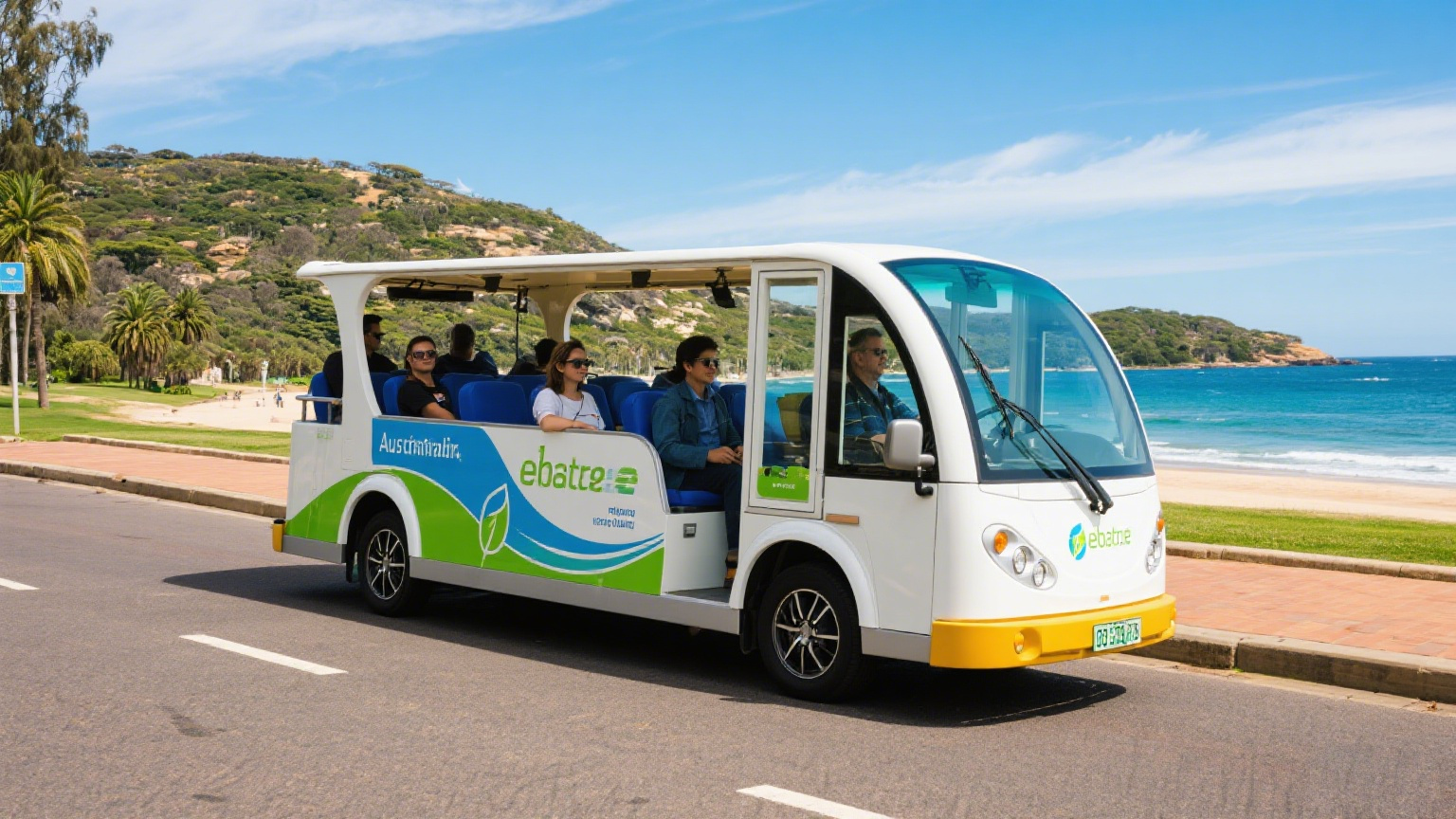
The Rise of Electric Sightseeing Cars in Australian Tourism
Australia’s tourism sector is rapidly embracing electric sightseeing cars as a sustainable mobility solution, driven by shifting traveler preferences and environmental priorities. With 82% of international visitors prioritizing eco-friendly transport options (Tourism Australia 2023), operators are replacing traditional diesel shuttles to meet demand while aligning with national climate initiatives.
Growing Demand for Electric Sightseeing Cars in Australia’s Tourism Sector
These days, visitors want their nature experiences to leave minimal footprints. Electric vehicles have made a real difference in places where quiet matters most, cutting down noise levels by around 60% compared to those loud gas engines we used to see everywhere in our national parks and reserves. Take the Blue Mountains or the Daintree Rainforest for example both switched completely to electric vehicle fleets recently. Park managers say visitor feedback has improved quite a bit since then, with folks noting they feel better about supporting conservation efforts when they can travel without contributing to pollution. Behind all this green transition sits some serious money too about 740 million dollars worth of investments between 2022 and 2024 going into building out charging stations across regional areas so these electric adventures can keep rolling forward.
Alignment With National Sustainability Goals and Carbon Reduction Targets
Australia wants to slash tourism emissions by almost half by 2030, and electric sightseeing vehicles are helping make that happen. The numbers tell the story pretty clearly: one electric shuttle takes about 4.8 metric tons of CO2 out of the atmosphere each year. That's roughly the same as keeping 12 acres of native Australian forests standing instead of cutting them down. A report from the Clean Energy Finance Corporation found something interesting too. Businesses switching to electric vehicles actually reduce their direct emissions three times quicker compared to companies that just buy carbon offsets. Makes sense really, since replacing fossil fuels outright is more effective than trying to balance things out later.
Case Study: Great Ocean Road Pilot Program for Zero-Emission Tourist Transport
A 12-month trial along Victoria’s Great Ocean Road demonstrated scalable success:
- 14 electric shuttles transported 38,000 passengers across 192,000 km
- Achieved 100% renewable operation via solar charging stations
- Reduced operational costs by 33% compared to the previous diesel fleet
Visitors noted improved air quality and enhanced wildlife encounters, with 94% expressing willingness to pay a premium for electric tours.
Environmental and Economic Benefits of Electric Sightseeing Car Adoption
Reducing Emissions and Improving Air Quality in High Traffic Tourist Areas
Electric tour cars are making a real difference in reducing carbon emissions, cutting around 8.2 metric tons each year for every vehicle operating at busy spots such as Sydney Harbour or the Gold Coast theme parks according to ClimateWatch data from 2024. These electric alternatives eliminate harmful diesel particles which means cities can actually hit those World Health Organization air quality targets. Plus there's another benefit nobody talks about much but it matters a lot the protection of historical buildings against damage caused by exhaust fumes that corrode stone and metal surfaces over time.
Noise Reduction and Enhanced Ecological Preservation in Natural Attractions
In ecologically sensitive areas such as the Great Barrier Reef and Blue Mountains, operators report 92% quieter operations compared to combustion engines. This reduction in noise pollution has led to a 34% increase in nocturnal tour bookings in Tasmania’s wilderness regions since 2022, improving opportunities for undisturbed wildlife observation.
Data Point: 40% Reduction in Operational Costs Over 5 Years (Queensland Parks Report)
Queensland’s eco-tourism operators achieved a 40% reduction in operational costs over five years through fleet electrification. Battery performance exceeded 300,000 km before replacement—22% beyond manufacturer guarantees (Queensland Parks 2024)—demonstrating long-term reliability and cost efficiency.
Enhanced Tourist Experience Through Smart Electric Shuttles
Integration of Wi-Fi, Charging Ports, and Digital Tour Guides
Electric sightseeing vehicles these days come packed with features that keep visitors connected throughout their tours. Most have built in Wi-Fi so people can plan stops on the go and snap photos to share instantly. The cars also sport USB-C charging ports which is pretty smart given that nearly four out of five tourists rely heavily on their phones according to Tourism Australia's latest report from last year. Touchscreen displays inside tell stories about landmarks as passengers pass by them, making history feel more immediate. A few tour companies have gone even further by installing special glass that works with AR technology to show what ancient buildings looked like back in the day when folks look out the window.
Multilingual Commentary and Real Time Navigation Systems
AI-driven audio systems support over 15 languages, catering to international visitors who make up 48% of cultural attraction guests. GPS-enabled dashboards optimize routes around congestion at landmarks like Uluru, adjusting dynamically based on weather and crowd data to improve itinerary efficiency by up to 33%.
Case Study: Sydney Opera House Electric Shuttle With Augmented Reality Features
A 2024 trial at the Sydney Opera House showed that electric shuttles equipped with AR windows increased average visitation time by 25%. Passengers experienced virtual recreations of the landmark’s 1973 opening ceremony superimposed on real-time views, with 92% of participants reporting a deeper cultural understanding than with traditional audio guides.
Government Incentives and Public-Private Partnerships Driving Adoption
Federal and state funding programs for electric vehicle deployment in tourism
Since 2022, federal and state governments have committed over $300 million to accelerate electric sightseeing car adoption through initiatives like the Tourism Transport Fund. These programs prioritize World Heritage Sites and coastal attractions, with 85% of grants allocated to locations requiring emission-free transport solutions.
Grants and pilot programs supporting performance evaluation and scalability
Targeted funding has enabled 17 pilot projects testing electric shuttles in extreme environments, including the Blue Mountains geothermal charging trial. Early results show a 38% reduction in energy costs per passenger-mile compared to diesel alternatives, confirming the viability of EVs across Australia’s diverse ecosystems.
Public private collaboration in expanding green transport infrastructure
Joint ventures between energy providers and tour operators have deployed 45 solar-powered charging hubs along the Great Barrier Reef circuit since 2023. These partnerships use tourism revenue to subsidize infrastructure development while meeting UNESCO sustainability benchmarks in ecologically sensitive zones.
Overcoming Implementation Challenges and Future Outlook
Addressing Charging Infrastructure Gaps in Remote and Rural Tourist Destinations
Getting electric sightseeing cars running properly across regional Australia needs some serious thinking ahead. Cities already have decent EV infrastructure sorted out, but places further out such as Uluru or the Kimberley region run into real problems. A recent industry report from 2024 shows that nearly two thirds of folks operating tours there mention lack of charging points as their biggest headache when trying to switch to electric vehicles. What can help? Some tour companies are experimenting with portable solar powered charging units they can move around between spots. Others just plan routes smarter so drivers don't end up stranded too far from where they need to be.
Battery Range and Terrain Adaptability in Australia’s Diverse Landscapes
Australia’s varied terrain demands robust battery performance. Modern electric sightseeing cars feature terrain-sensitive power management, extending range by 15–20% on uneven surfaces. Thermal-resistant battery casings prevent overheating in arid zones, while regenerative braking enhances efficiency on hilly routes such as Tasmania’s Cradle Mountain circuit.
Balancing Upfront Investment with Long-Term ROI in Sustainable Tourism
Although electric sightseeing cars carry a 20–30% higher initial cost than diesel models, long-term savings are substantial. Operators reduce fuel expenses by 60% and maintenance costs due to fewer moving parts. Smart fleet management systems further improve ROI by tracking utilization and predicting servicing needs.
Future Trends: Autonomous Shuttles, Solar Charging, and Smart City Integration
Pioneering sites are piloting solar-powered charging hubs that reduce grid dependence by 40%. Trials in Far North Queensland combine autonomous navigation with real-time visitor flow data to ease congestion at high-demand attractions. Emerging smart city partnerships aim to integrate sightseeing fleets with public transport networks, enabling seamless multimodal travel experiences.
FAQ
Why are electric sightseeing cars becoming popular in Australia?
They offer a sustainable transport solution, reducing carbon emissions and noise, and align with eco-friendly tourism trends.
How do electric sightseeing cars enhance tourist experiences?
They provide features like Wi-Fi, digital guides, and AR for an interactive and informative tour experience.
What are the economic benefits of using electric sightseeing cars?
Operators benefit from lower operational costs, fuel savings, and reduced maintenance expenses long-term.
How is the Australian government supporting the adoption of electric sightseeing cars?
Through funding and grants for infrastructure and pilot projects, prioritizing eco-tourism efforts across the country.
Table of Contents
- The Rise of Electric Sightseeing Cars in Australian Tourism
- Environmental and Economic Benefits of Electric Sightseeing Car Adoption
- Enhanced Tourist Experience Through Smart Electric Shuttles
- Government Incentives and Public-Private Partnerships Driving Adoption
-
Overcoming Implementation Challenges and Future Outlook
- Addressing Charging Infrastructure Gaps in Remote and Rural Tourist Destinations
- Battery Range and Terrain Adaptability in Australia’s Diverse Landscapes
- Balancing Upfront Investment with Long-Term ROI in Sustainable Tourism
- Future Trends: Autonomous Shuttles, Solar Charging, and Smart City Integration
- FAQ