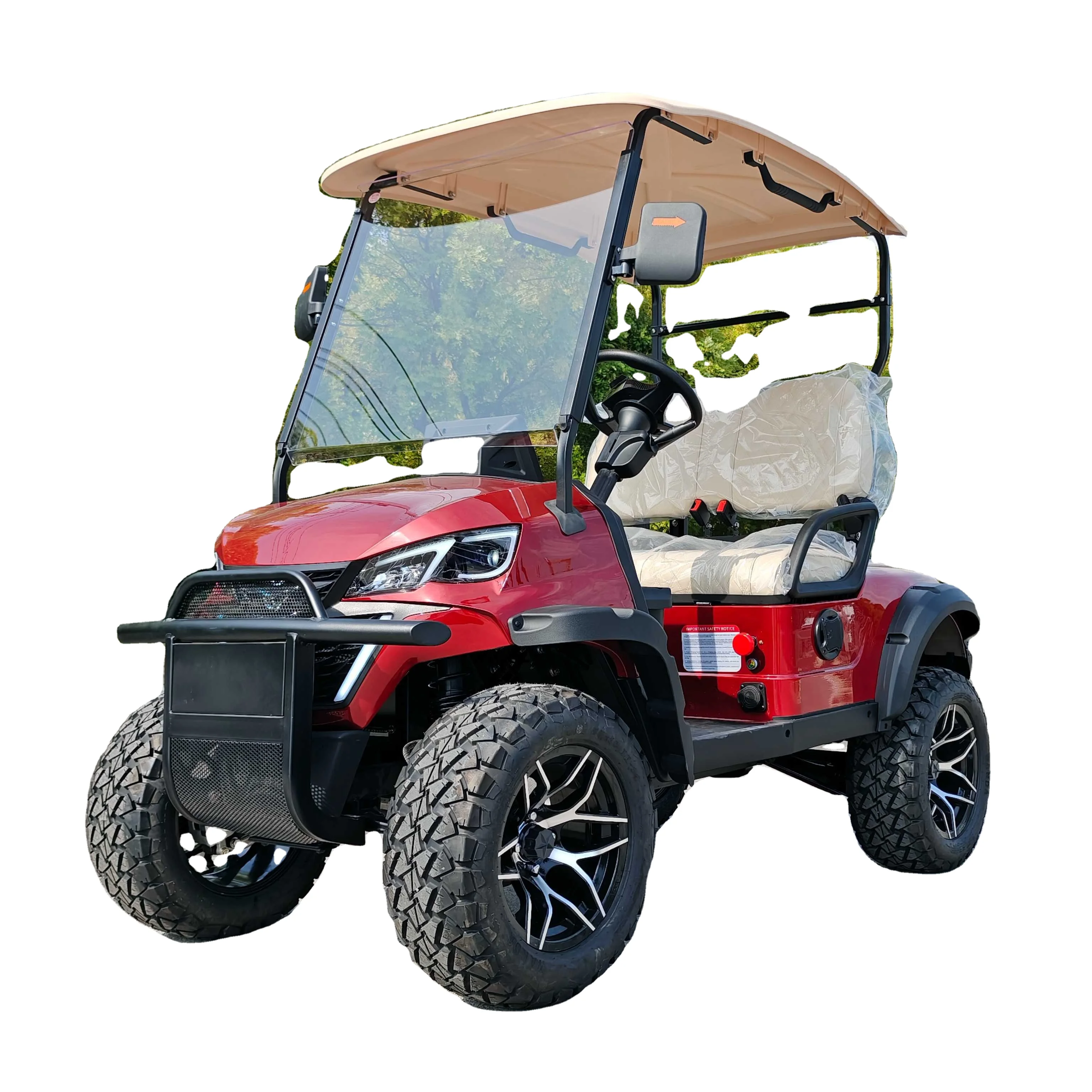
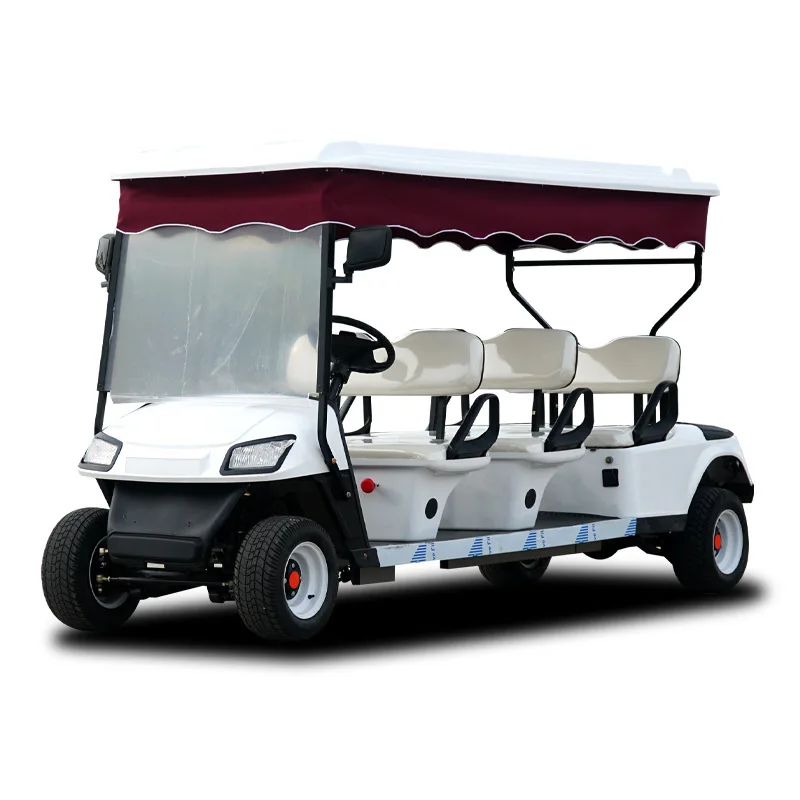
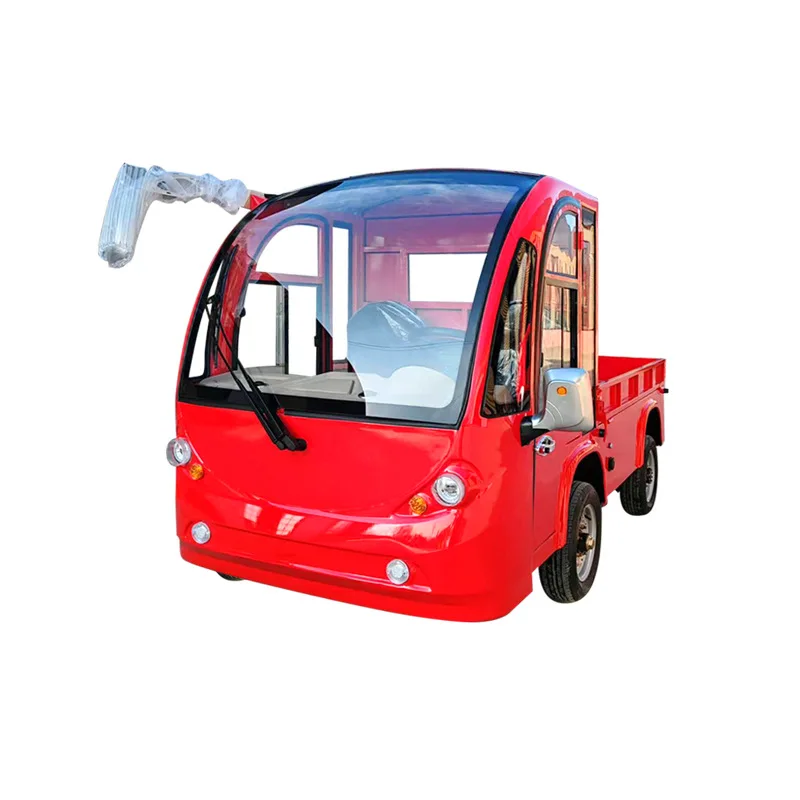
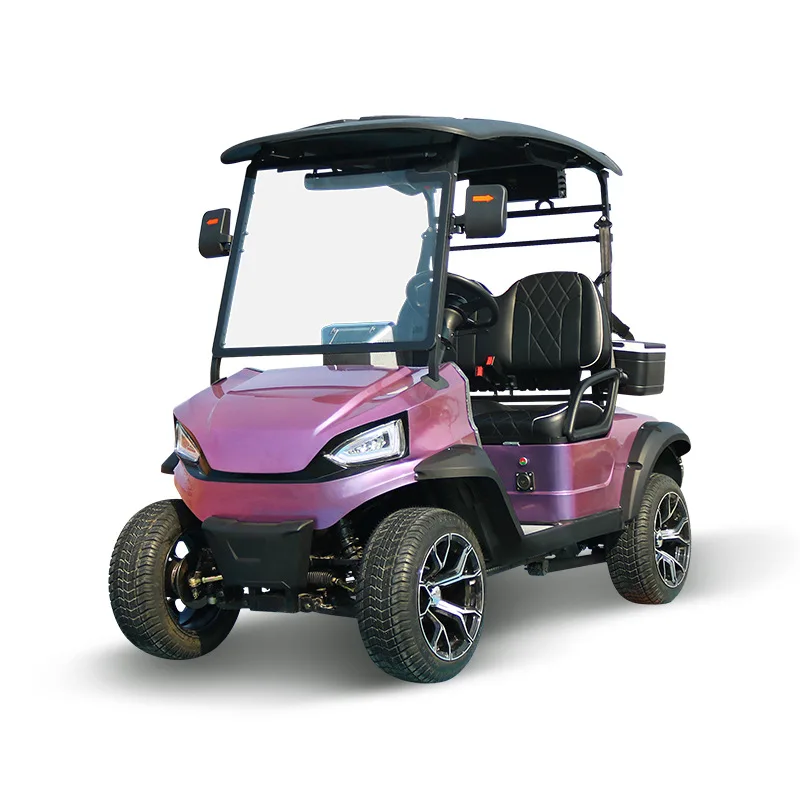
Parison - Premium Electric Golf Carts & Utility Carts for Diverse Needs
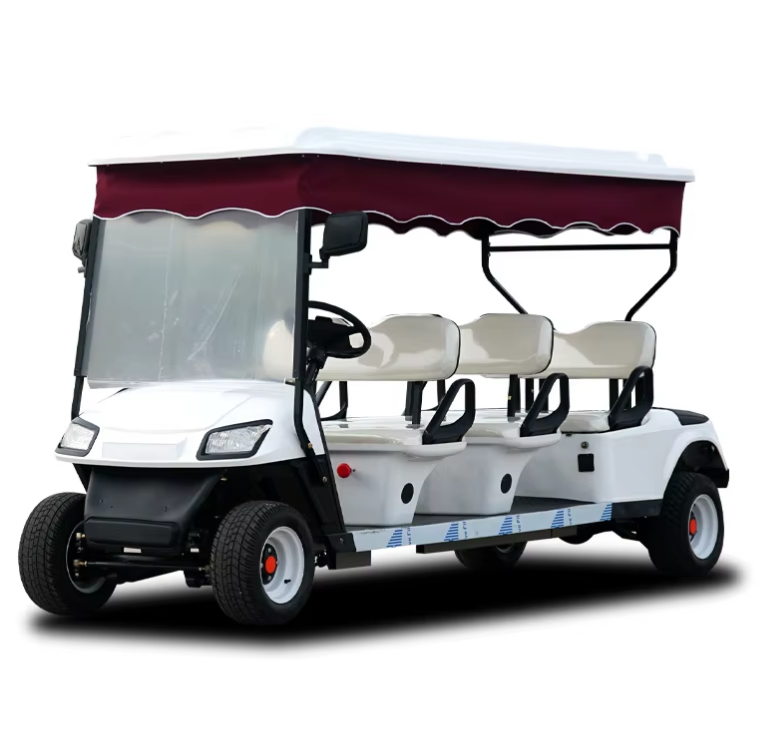
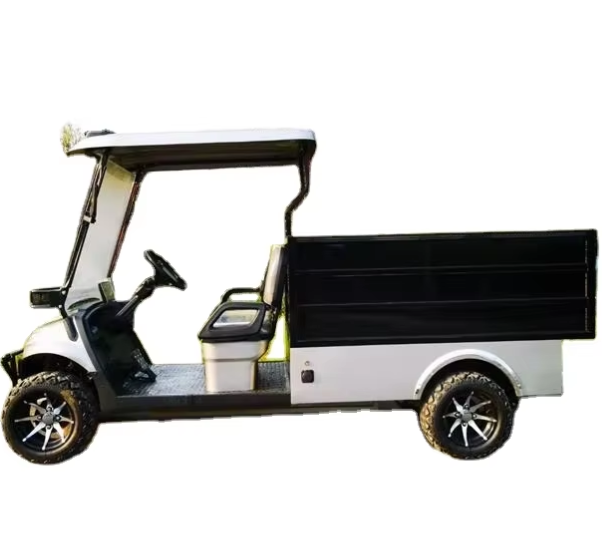
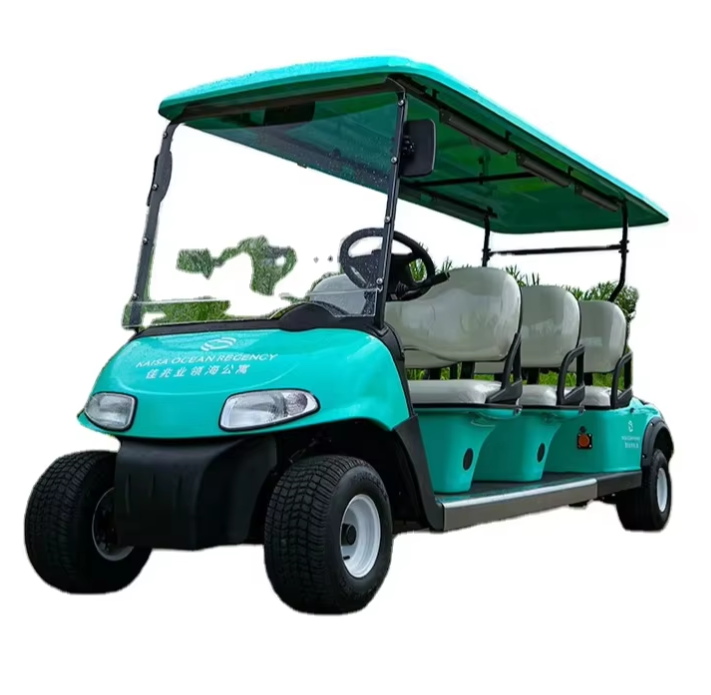
This page introduces Parison's products, including utility carts (categorized under golf utility trucks). These utility carts feature a chassis, cargo box, and anti-corrosion frame, enabling loading and unloading functions for various work scenarios. The page emphasizes "carry more, work smarter" for utility carts, along with a 50-year warranty. It also covers other electric golf carts, promotions (save $300 this May), international cooperations, and services like product customization, email consultation, and factory visits. Contact information (address, tel, email) is provided to assist customers.
Get A Quote

 EN
EN