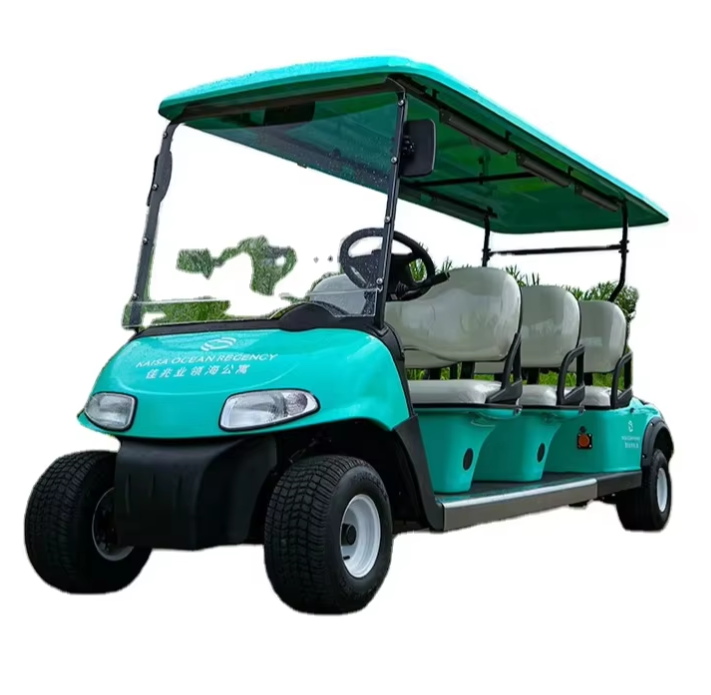
Rolling carts, often recognized for their mobility and versatility, are indispensable tools in various settings, from industrial warehouses to retail environments and even home garages. These carts are designed with wheels that allow for easy movement of goods, materials, or equipment from one location to another. The construction of rolling carts can vary widely, from lightweight aluminum frames suitable for light duty tasks to heavy duty steel models capable of carrying substantial loads. Many rolling carts feature adjustable shelves or compartments, enhancing their adaptability to different storage and transport needs. In healthcare facilities, for instance, specialized medical rolling carts are used to transport medications, instruments, and supplies efficiently between patient rooms and treatment areas. The ergonomic design of these carts, often incorporating handles and brakes, ensures ease of use and safety during operation. Furthermore, advancements in material science have led to the development of corrosion resistant and easy to clean rolling carts, making them ideal for use in environments where hygiene is paramount. The integration of technology, such as RFID tracking systems, has also improved inventory management and asset tracking capabilities. Overall, rolling carts represent a blend of functionality, durability, and innovation, catering to a broad spectrum of industries and applications.