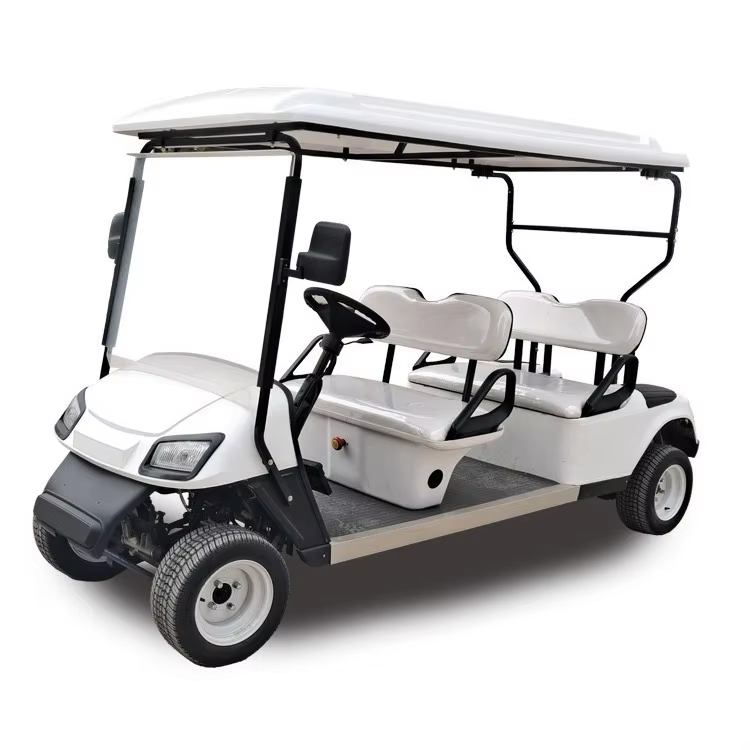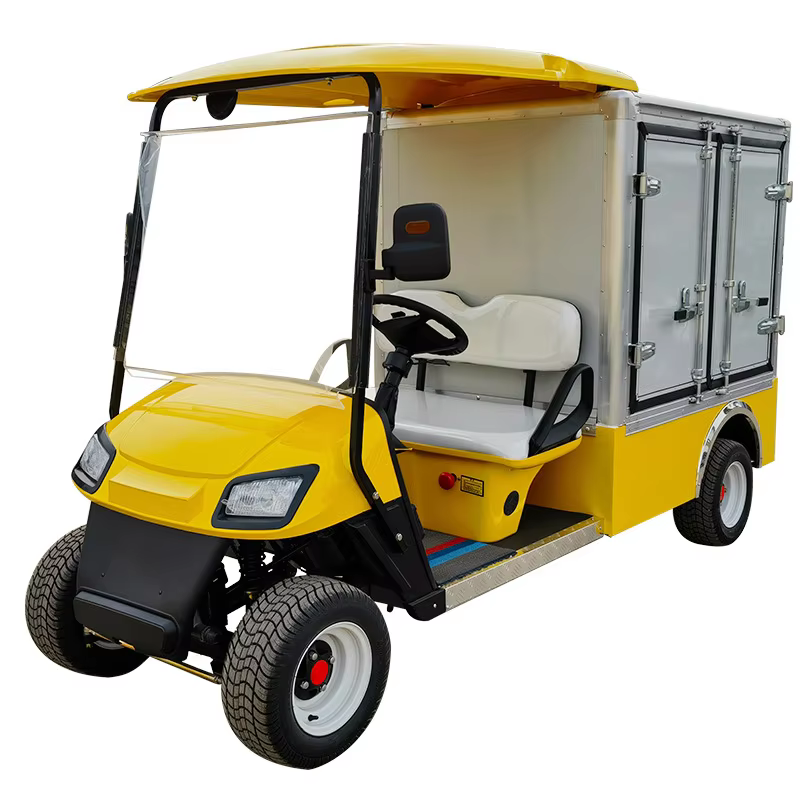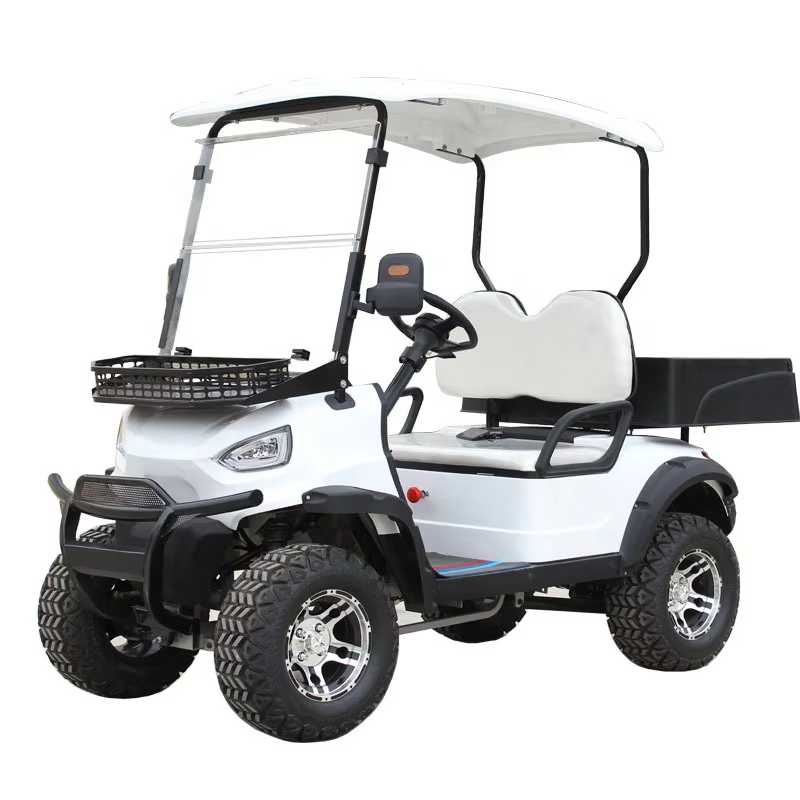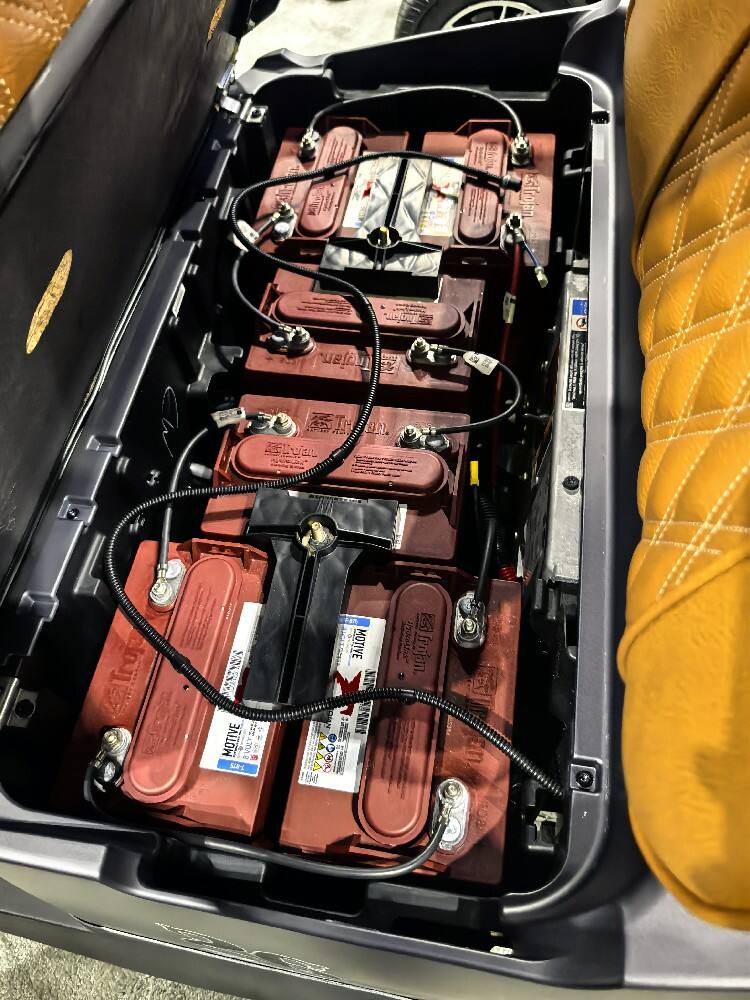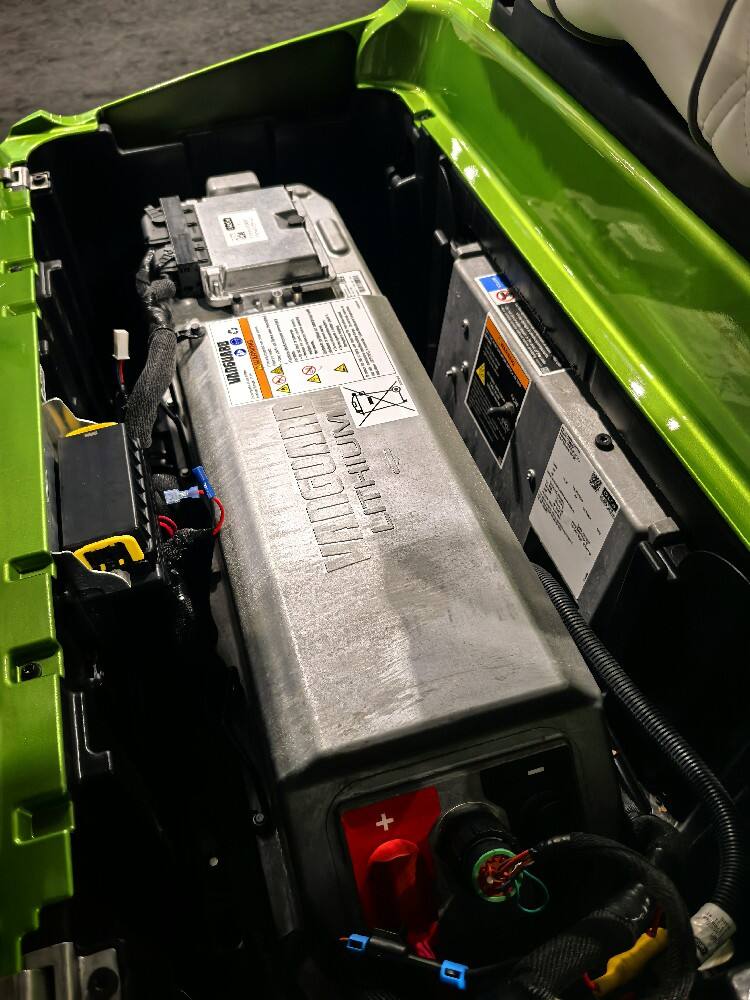

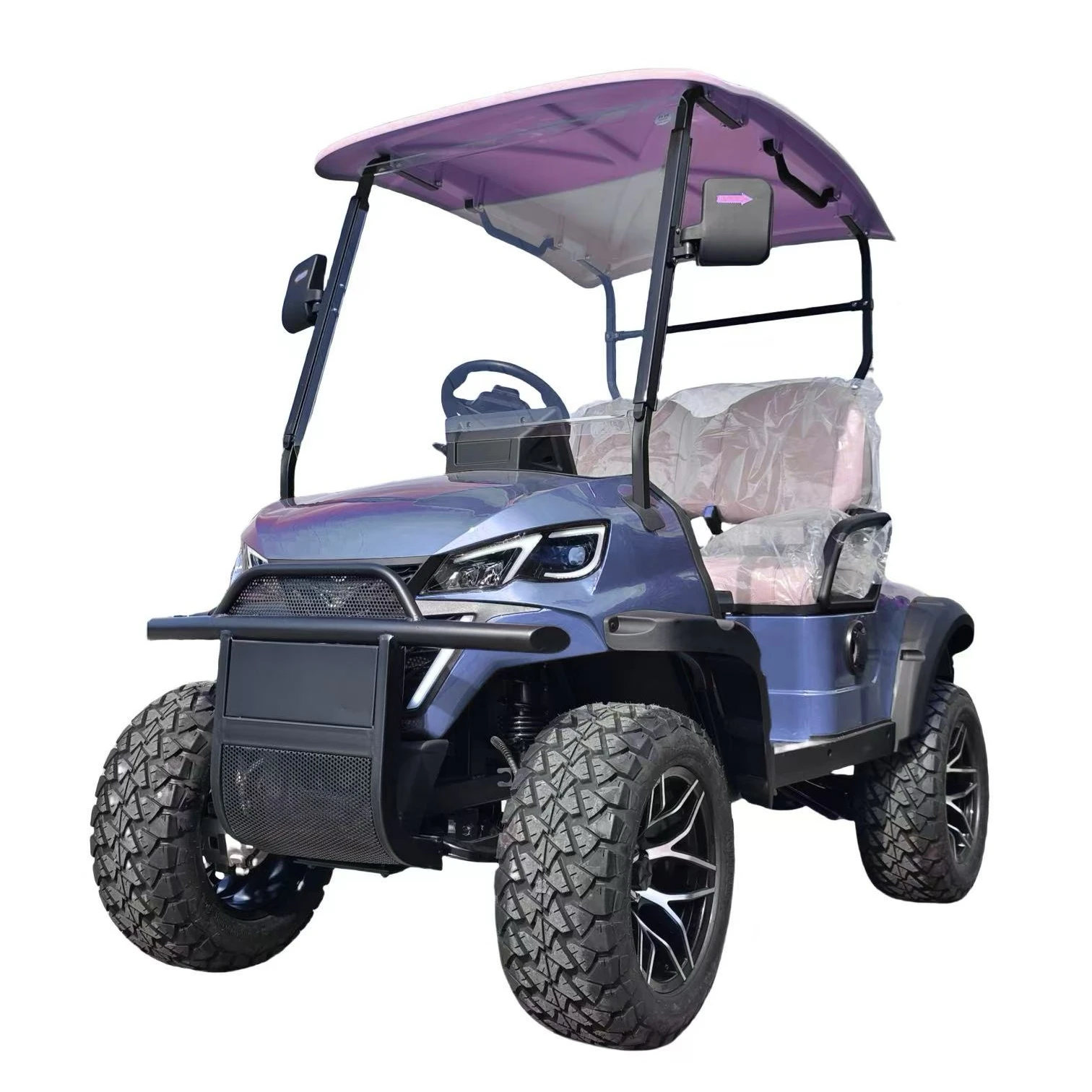
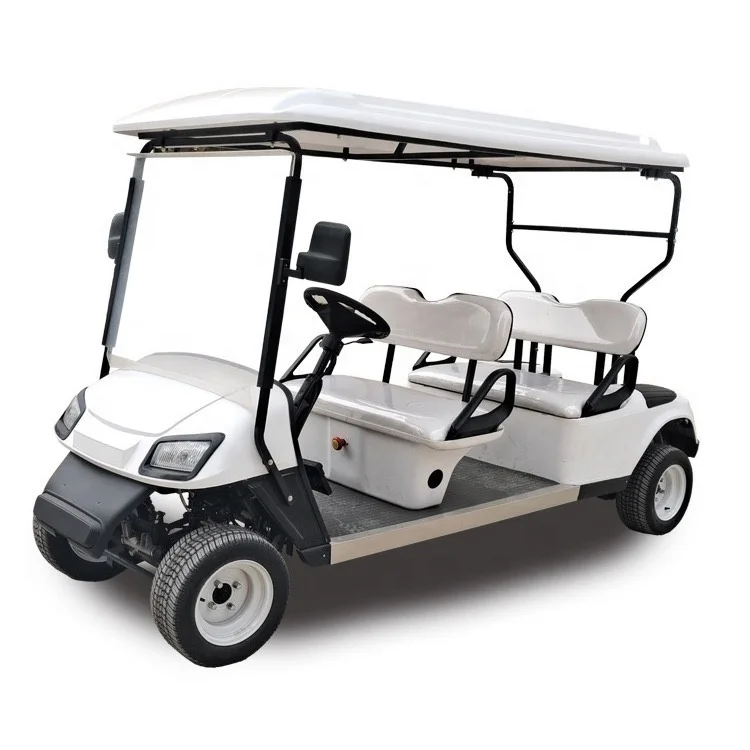
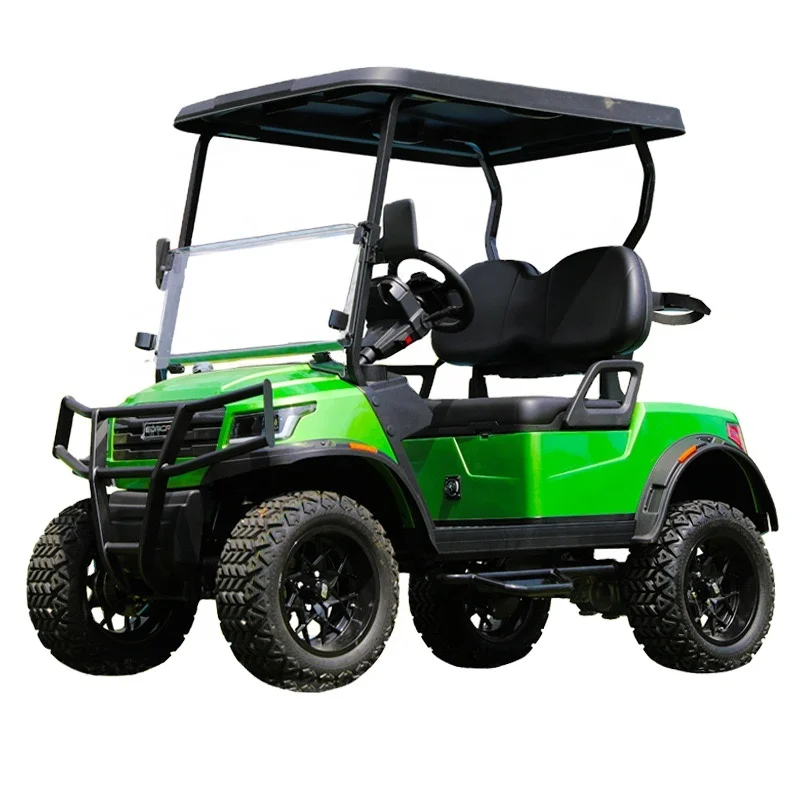
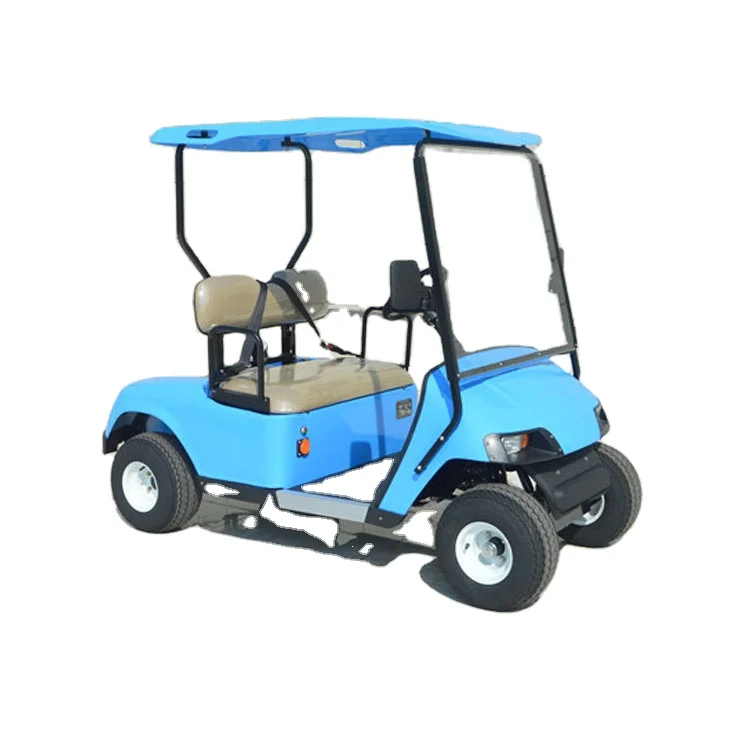
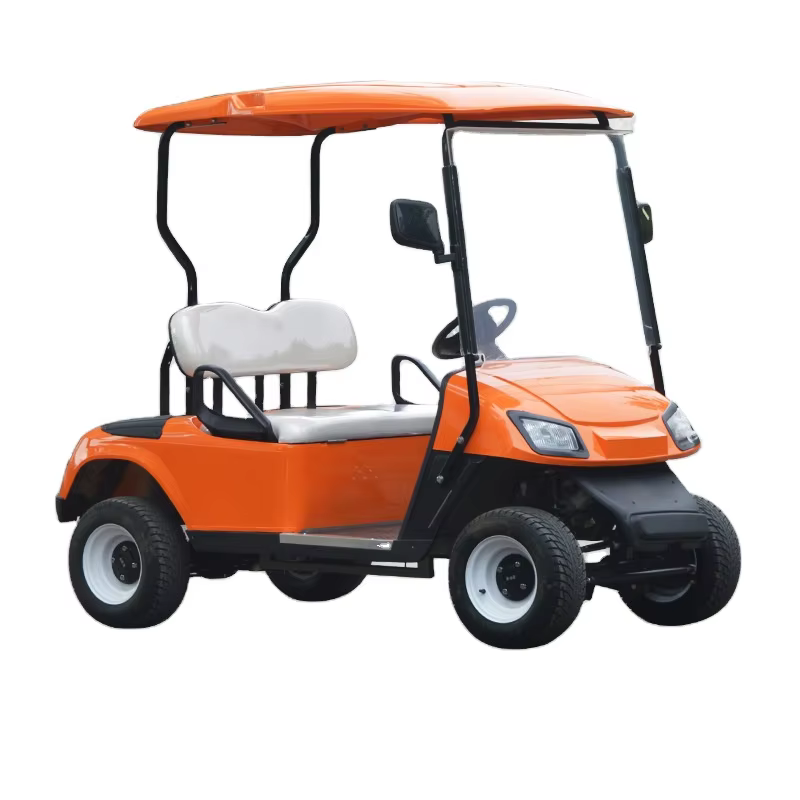
Parison’s power dense golf cart batteries represent a breakthrough in electric mobility, leveraging advanced lithium ion phosphate (LiFePO4) cell technology to achieve an energy density of 150 180 Wh/kg significantly higher than traditional lead acid batteries (50 70 Wh/kg). This superior density translates to tangible, market specific benefits for users worldwide. For personal users, such as families owning a 4 seat golf cart for weekend trips, the high density means a battery that occupies 30% less space than lead acid equivalents, freeing up storage for luggage or recreational gear. For commercial operators, including golf courses in Scotland or resorts in Dubai, the density delivers extended runtime (up to 100 km on a single charge for Parison’s 4 seat golf course vehicles) and consistent power output, even when navigating challenging terrain like the sloped fairways of Scottish links courses or the hot, sandy paths of Middle Eastern resorts. A key advantage of this power density is its ability to maintain performance under high demand conditions: when a utility cart is fully loaded with 500 kg of maintenance equipment (common in golf course upkeep), the battery avoids voltage drops that would slow down less dense alternatives, ensuring timely completion of tasks. Rapid charging capabilities further enhance usability these batteries reach 80% capacity in just 1.5 hours using Parison’s fast charging stations, a critical feature for commercial fleets that cannot afford downtime during peak operating hours. To meet global safety and regulatory standards, each battery undergoes rigorous testing, including thermal shock tests (from 10°C to 45°C) to withstand European winters and Middle Eastern summers, and compliance with certifications such as CE (for Europe), UL (for North America), and RoHS (for global environmental standards). This combination of performance, durability, and compliance makes Parison’s power dense batteries a preferred choice for clients seeking reliable, long lasting electric solutions—whether they operate in temperate, tropical, or arid climates.