
 EN
EN
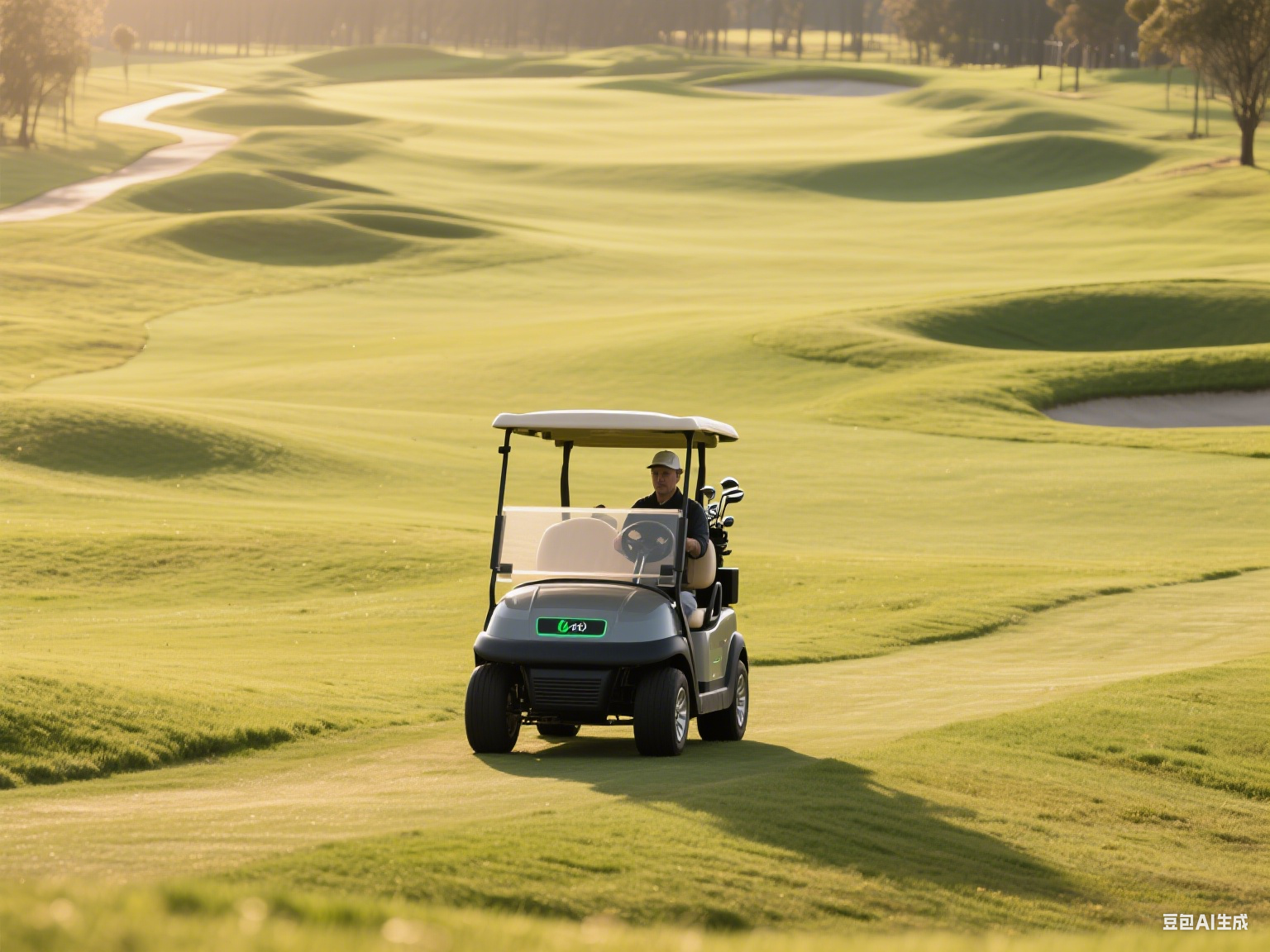
Australia’s sprawling golf courses, often spanning hundreds of acres, demand electric golf carts with exceptional range. Modern lithium-ion battery systems have emerged as the cornerstone of long-range solutions, enabling carts to cover 50+ kilometers on a single charge—ideal for courses like the Royal Melbourne Golf Club, which stretches over 6,500 meters. Manufacturers like Parison leverage advanced battery management systems to optimize energy efficiency, ensuring consistent performance across hilly terrains and expansive fairways.
The shift to lithium-ion batteries marks a pivotal upgrade from traditional lead-acid models. These lightweight, high-density batteries reduce cart weight by 30%, enhancing energy efficiency while minimizing maintenance needs. Parison’s G400 model, for instance, integrates lithium-ion technology to deliver a 40% longer range than conventional designs, directly addressing the challenge of Australia’s vast course layouts.
Policy Incentives and Sustainable Infrastructure
Australia’s national commitment to net-zero emissions has fueled policy support for long-range electric golf carts. State governments offer rebates of up to AUD $1,500 for eco-friendly vehicles, while federal initiatives like the Electric Vehicle Strategy prioritize charging infrastructure development. Golf courses in Queensland and New South Wales now frequently install solar-powered charging stations, aligning with Parison’s “Drive Clean, Drive Green” ethos.
Local regulations further accelerate adoption. In Victoria, golf courses must comply with low-emission vehicle standards, prompting operators to replace short-range gasoline carts with long-range electric models. Parison’s 50-year warranty on key components (such as chassis and anti-corrosion frames) appeals to course managers seeking durable, low-cost solutions that align with sustainability mandates.
Meeting Consumer Demands for Versatility
Australian golfers and course operators prioritize functionality alongside range. Long-range electric carts serve dual roles: transporting players across vast courses and doubling as utility vehicles for maintenance tasks. Parison’s 6-seater models, equipped with cargo boxes and heavy-duty frames, enable staff to carry equipment over extended distances without recharging—essential for managing Australia’s remote golf destinations like Barnbougle Dunes in Tasmania.
Consumer preference for multi-purpose design is evident in market trends. Sales of long-range utility carts have grown 25% annually since 2023, driven by resorts and tourism venues. Parison’s off-road sightseeing carts, built for rugged terrains, demonstrate how extended range caters to both golfers and eco-tourism operators in Australia’s diverse landscapes.
Industry Innovations Shaping the Market
Manufacturers are integrating smart technologies to enhance range and user experience. GPS-enabled range monitoring systems now allow golfers to track remaining battery life in real-time, while regenerative braking recaptures energy during descents—critical for hilly courses like The Grange in Adelaide. Parison’s premium models feature touchscreen displays that optimize energy use based on terrain maps, further extending operational range.
The rise of OEM/ODM partnerships also fuels customization. Australian golf courses collaborate with brands like Parison to design carts with tailored battery configurations, ensuring they meet specific course requirements. For example, a recent partnership with an Australian golf resort resulted in a custom 4-seater cart with a 60-kilometer range, equipped to navigate both golfing areas and adjacent nature trails.
As Australia’s golf industry continues to prioritize sustainability and functionality, long-range electric golf carts have evolved from a niche offering to a market necessity. With ongoing advancements in battery technology and policy support, these vehicles are set to redefine how players and operators engage with the country’s expansive golfing landscapes.