
 EN
EN
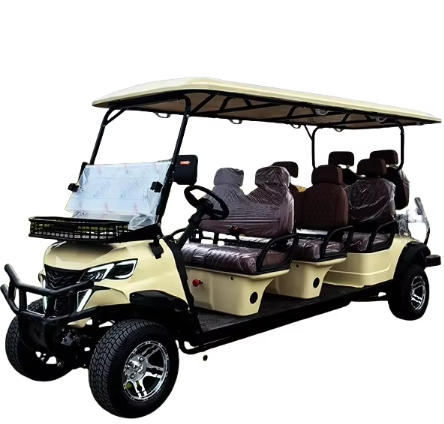
Define Operational Needs: Capacity, Terrain, and Duty Cycle
Align Seating Capacity and Passenger Flow with Peak Tourist Demand
Tourist destinations experience dramatic seasonal demand swings peak attendance often surges 200-300% above off-season levels. To maximize fleet efficiency, match electric sightseeing car seating capacity to hourly visitor patterns, not just daily totals. Analyze historical foot traffic data to identify:
- Maximum hourly passenger loads during festivals or holidays
- Average dwell times at key attractions
- Queue formation patterns at boarding zones
Deploy larger vehicles (16-20 seats) on high-traffic loops during peak hours, while using compact models (8-10 seats) for specialized or low-demand routes. This prevents bottlenecks at popular stops and reduces idle vehicle time. Circuits serving 500+ visitors per hour typically require 25-seat capacity and sub-10-minute dispatch intervals to maintain flow.
Assess Terrain and Environmental Challenges for Reliable Electric Sightseeing Car Performance
Electric sightseeing cars must overcome site-specific operational hurdles to deliver consistent, safe service. Steep gradients exceeding 15% demand motors with 45 Nm torque to avoid excessive battery drain. Unpaved or uneven paths require enhanced suspension and all-terrain tires increasing rolling resistance by 20-30%. Environmental conditions further impact performance:
- High humidity accelerates corrosion in coastal regions
- Temperatures above 95°F (35°C) reduce lithium battery efficiency by 15-20%
- Dust-heavy environments necessitate IP65-rated electrical components
Prioritize vehicles with regenerative braking for hilly routes recovering 10-15% of energy during descents and validate real-world performance through on-site trials measuring battery consumption under full-load, route-specific conditions.
Calculate Required Speed, Range, and Daily Usage Based on Route Layout and Schedule
Define duty cycles precisely to prevent range anxiety and operational disruptions. Use this framework:
- Map total route distance (e.g., 8-mile scenic loop)
- Determine average speed including stops (typically 10-12 mph)
- Multiply by daily trip frequency (e.g., 10 circuits = 80 miles)
- Add a 20% range buffer for contingencies 96-mile minimum requirement
Factor in charging logistics: fleets with <4-hour downtime windows require DC fast-charging (30-45 minute sessions). High-utilization routes (12+ hours daily) need batteries rated for 80% depth-of-discharge over thousands of cycles. Telematics data shows continuous operation above 85% of max speed depletes range 25% faster than moderate pacing adjust reserve capacity accordingly.
Ensure Regulatory Compliance and Critical Safety Features

Operating electric sightseeing vehicles in scenic areas demands rigorous adherence to safety protocols and regulatory frameworks. Noncompliance risks operational shutdowns, legal penalties averaging $740k (Ponemon Institute, 2023), and lasting reputational harm.
Confirm GB/T 28382-2023 Certification, CCC Mark, and Local Tourism Authority Approvals
Getting GB/T 28382-2023 certification isn't optional for low speed electric vehicles operating in China. This official stamp basically proves that these vehicles meet important criteria regarding their structural strength, electrical systems safety, and how well they protect passengers during accidents. Then there's also the CCC mark from China's Compulsory Certification program which serves as proof that manufacturers are maintaining proper quality controls and following all the country's established safety regulations. Different regions actually have their own extra rules too. Coastal tourist spots generally require special certifications showing better resistance against harsh weather conditions. Mountain areas meanwhile typically demand rigorous tests to ensure vehicles can handle steep inclines like those 15% gradients that need to be maintained for extended periods. Every year operators have to go through the process of renewing their permits with local transportation offices. Part of this involves handing over audit reports from independent third parties that check things like battery safety standards, whether the vehicle meets structural requirements, and if the number of passengers listed on the label matches what's actually allowed inside.
Validate Integrated Safety Systems: Electronic Braking, Emergency Stop, Acoustic Alert, and Structural Rigidity
When talking about critical safety features, we need to mention those dual circuit electronic brakes that cut stopping distances by roughly 40% when roads are wet. Also important are those emergency stop buttons that anyone in the car can reach quickly. For sounds, the warning signals need to be loud enough so people nearby can hear them clearly, around 85 decibels at two meters away from the source. Testing how strong the body structure is matters too, particularly checking if the roof can hold up against forces equal to about one and a half times what the whole car weighs. This becomes really crucial for convertibles and other open top designs. Looking at data from various scenic area inspections, it turns out that keeping all these safety systems properly maintained actually stops most accidents before they happen, with reports indicating something like 92% reduction in collisions related to faulty equipment.
Evaluate Total Cost of Ownership: Battery, Charging, and Service Strategy

Compare LFP vs. NMC Batteries for Lifespan, Thermal Stability, and Long-Term Electric Sightseeing Car Uptime
The chemistry behind batteries plays a big role in how reliable they are, their safety profile, and what it costs over time. Take LFP batteries for example, which stand for Lithium Iron Phosphate. These have excellent thermal stability and are pretty safe, staying stable even when temperatures reach around 60 degrees Celsius without much risk of catching fire. They typically last between 3,500 to 5,000 charge cycles before needing replacement, which means fewer swaps overall. Sure, they cost about 10 to 15 percent more initially compared to other options according to industry standards from last year. On the flip side, NMC batteries made with Nickel Manganese Cobalt pack more energy per unit volume, making them good choices for areas with lots of hills or where vehicles need to travel longer distances. However, these batteries don't handle heat as well, so they require better cooling systems and tend to degrade faster after only 2,000 to 3,000 cycles. This leads to higher maintenance expenses down the road and potential downtime issues. When running operations continuously in harsh weather conditions, LFP batteries generally provide better return on investment because they fail less often and cause fewer service disruptions.
| Feature | LFP Batteries | NMC Batteries |
|---|---|---|
| Lifespan | 4,500+ cycles (long-term) | 2,500-3,000 cycles (moderate) |
| Thermal Stability | Stable 60°C (low fire risk) | Requires active cooling 45°C (higher risk) |
| Uptime Impact | Lower maintenance, fewer replacements | Frequent checks, higher failure rate |
Design Scalable Charging Infrastructure Aligned with Fleet Size and Operational Downtime Tolerance
Getting the right balance between what we spend on charging stations and how many vehicles need them at any given time is pretty important for most operators. A good starting point tends to be installing about one charger for every three to five electric vehicles in the fleet. This helps cover those busy periods when everyone needs power at once, especially since modular equipment makes it easier to expand later as the number of cars increases. When it comes to charging speed, operators should really think about their daily operations first. If workers only have under two hours between shifts, then fast DC chargers become necessary even though they cost more money initially around $15,000 to $25,000 per unit. But there's something interesting happening here too—smart management of electrical loads can actually reduce monthly bills by roughly 20%, according to some studies from last year. And don't forget about timing things right with local electricity pricing structures. Charging during off-peak times saves cash while making sure services stay available throughout busy seasons like summer tourism months when demand spikes.