
 EN
EN
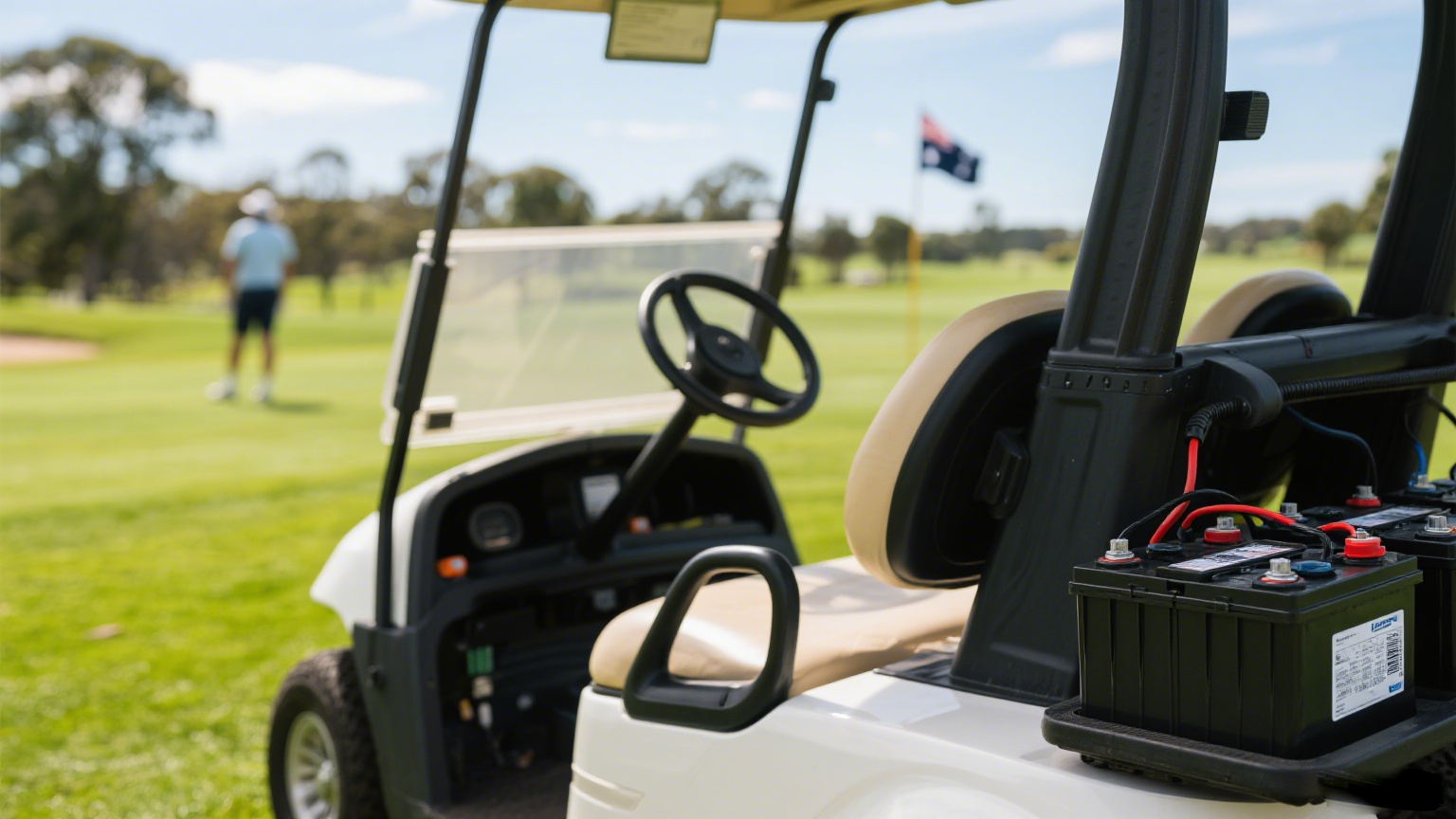
Understanding Golf Cart Battery Types and Climate Challenges
Lead-acid vs. lithium golf cart battery: performance in Australian heat
Australian golfers face a critical choice between flooded lead-acid (FLA) and lithium-ion batteries, with extreme temperatures significantly influencing long-term performance and cost efficiency.
| Factor | Lead Acid Batteries | Lithium-Ion Batteries |
|---|---|---|
| Heat Tolerance | Lose 15-20% capacity at 35°C+ | Maintain 95%+ capacity above 40°C |
| Maintenance | Weekly water top-ups required | Sealed design, no watering |
| Lifespan (Cycles) | 500-800 cycles | 3,000-5,000 cycles |
| Efficiency Loss | 20-30% energy loss in heat | <5% efficiency drop |
The 2024 Golf Cart Battery Market Report shows lithium adoption has tripled since 2020 in coastal regions, where 40°C summer days accelerate FLA degradation. While lead-acid remains cheaper upfront, its 18–24 month replacement cycle in tropical zones makes lithium 63% more cost-effective over five years due to longer lifespan and lower maintenance demands.
Impact of heat and climate on battery water evaporation and maintenance frequency
Lead acid batteries tend to lose their electrolyte at a quicker rate when exposed to hot climates. According to figures released by Queensland's weather bureau, battery units installed in Darwin actually shed around 30 percent more water each year compared to similar models operating down south in Melbourne. Because of this difference in evaporation rates, folks living in the NT often find themselves topping up their battery cells somewhere between 18 to 22 times throughout the charging process during the wet season months. That stands in contrast to residents further south where refills generally happen less frequently, usually once every 35 to 40 charge cycles thanks to cooler ambient temperatures.
Battery lifespan and performance in Australian conditions
Tests run at Broome Nickel Mine last year revealed something interesting about battery performance under extreme sun exposure. Lithium batteries lasted roughly three times longer than traditional lead-acid ones when exposed to Australia's intense UV levels (index 11+). While flooded lead-acid (FLA) systems still dominate many remote mining sites where clean water isn't a problem, miners who switch to smart charging technology actually see their equipment last anywhere from 8 to 12 extra months, even in those brutal outback conditions. Makes sense really, since maintaining FLAs properly is always a headache in places without reliable water access.
Optimizing Charging Practices for Australia’s Hot Climate
Proper charging techniques are essential for maximizing battery lifespan in Australia’s extreme heat. High temperatures accelerate internal chemical reactions, increasing water loss in lead-acid batteries and degrading lithium cells up to 30% faster than in cooler climates (Battery Council International 2023).
Golf Cart Battery Charging Best Practices to Avoid Overcharging in Hot Climates
To minimize stress on battery components during summer, maintain charge levels between 20–80%. Smart chargers with temperature compensation adjust voltage based on ambient conditions, reducing overcharging risks. Research confirms that partial charging cycles extend lithium battery life by 200–300% compared to full discharges.
| Charging Practice | Benefit | Summer Adaptation |
|---|---|---|
| 20-80% Charge Rule | Reduces plate sulfation | Monitor levels daily |
| Morning/Evening Charging | Avoids peak heat exposure | Use shaded charging stations |
| Temperature-Controlled Rates | Prevents thermal runaway | Auto-adjusting smart chargers |
Charging Frequency and Timing: Avoiding Deep Discharges During Summer Months
Recharge batteries before they drop below 30% capacity during heatwaves. In temperatures exceeding 35°C, each deep discharge permanently reduces lead-acid capacity by 0.5–1%. Charging during cooler evening hours helps prevent thermal stress and improves efficiency.
Using Smart Chargers Compatible With Lead Acid and Lithium Systems
Modern multi-chemistry chargers use three-stage algorithms bulk, absorption, and float to safely manage charging and prevent overvoltage. Units equipped with thermal sensors reduce current output by 3% per degree above 25°C, making them especially effective in northern Australia’s tropical zones.
Maintaining Electrolyte Levels in Flooded Lead-Acid Batteries
Why Golf Cart Batteries Need Water and Electrolyte Maintenance
Flooded lead-acid batteries lose water through evaporation during normal operation—a process intensified by Australia’s high temperatures. Without adequate water, sulfuric acid becomes concentrated, increasing sulfation risk and reducing capacity by up to 40% (Battery Council International 2024). Proper maintenance ensures lead plates remain submerged, preventing irreversible damage.
Checking Electrolyte Levels and Topping Up with Distilled Water: Step-by-Step Guide
- Safety First: Wear gloves and goggles. Ensure the battery is fully charged.
- Inspect Plates: Remove caps and confirm plates are submerged.
- Top Up: Add distilled water until plates are covered by 6–8 mm. Never exceed maximum fill lines.
- Waste Disposal: Neutralize spilled electrolyte with baking soda.
When to Add Water to Golf Cart Batteries (Post-Charging, Frequency)
Always add water after charging, as electrolyte volume expands during the process. In coastal areas like Queensland, check levels every 2–3 weeks in summer. In arid inland regions, monthly checks are sufficient.
Using Distilled Water vs. Tap Water in Battery Maintenance
Tap water contains minerals such as calcium and magnesium that form insulating deposits on plates, reducing conductivity by 15–20%. Distilled water, with impurities below 5 ppm, prevents scaling and maintains optimal electrolyte balance.
Consequences of Low Water Levels: Plate Damage, Reduced Lifespan, Overheating
Low electrolyte levels expose lead plates to oxygen, accelerating sulfation and increasing overheating risk by 30% in hot conditions. This can shorten battery lifespan to just 18 months well below the typical 4–5 years with permanent capacity loss and potential plate warping.
Preventing Corrosion and Ensuring Terminal Safety
Golf Cart Battery Cleaning Process: Removing Corrosion Safely
Coastal salt exposure and alkaline dust in inland areas accelerate terminal corrosion. To clean safely:
- Disconnect cables (negative first) using insulated tools
- Mix 250ml distilled water with 1 tablespoon baking soda
- Scrub terminals with a brass brush until residue is gone
- Rinse with distilled water and dry thoroughly
Applying dielectric grease after cleaning reduces re-corrosion rates by 62% in humid environments. Avoid steel wool, as iron particles promote galvanic corrosion.
Cleaning Battery Terminals and Preventing Corrosion in Humid Coastal Regions
With Queensland averaging 75% humidity, sulfate crystals form rapidly on terminals. Recommended practices include:
- Monthly inspections during the wet season
- Applying silicone-based terminal protectant sprays
- Using breathable neoprene covers to prevent condensation buildup
A 2023 corrosion study found bimonthly cleaning in salt-prone areas extends battery life by 18 months compared to annual maintenance. Always torque connections to manufacturer specifications loose terminals generate heat that damages internal components.
Seasonal Maintenance Schedule for Australian Weather Conditions
Regular maintenance schedule for golf cart batteries in extreme Australian weather
Adapt care routines to seasonal shifts across Australia’s diverse climate zones:
-
Summer (November–February):
&¢ Check water levels in flooded batteries every 7–10 days
&¢ Clean terminals monthly to combat coastal corrosion
&¢ Test voltage weekly to detect early signs of capacity decline -
Winter (June–August):
&¢ Increase charging frequency by 15–20% in colder southern regions
&¢ Store batteries in insulated enclosures during sub-10°C nights
&¢ Perform load tests every 45 days to assess health
Adjusting care routines for summer heatwaves and dry inland conditions
During prolonged periods above 40°C, implement these protective measures:
- Charge only after batteries cool below 35°C to avoid thermal runaway
- Use UV-resistant battery covers in arid zones like Alice Springs
- Replace standard electrolyte with high-temperature formulations if compatible
The Australian Renewable Energy Agency notes that daily temperature swings exceeding 15°C accelerate sulfation 2.3 times faster than in stable climates. Aligning morning inspections with evening charging supports natural cooling and enhances battery longevity.
Table of Contents
- Understanding Golf Cart Battery Types and Climate Challenges
- Optimizing Charging Practices for Australia’s Hot Climate
-
Maintaining Electrolyte Levels in Flooded Lead-Acid Batteries
- Why Golf Cart Batteries Need Water and Electrolyte Maintenance
- Checking Electrolyte Levels and Topping Up with Distilled Water: Step-by-Step Guide
- When to Add Water to Golf Cart Batteries (Post-Charging, Frequency)
- Using Distilled Water vs. Tap Water in Battery Maintenance
- Consequences of Low Water Levels: Plate Damage, Reduced Lifespan, Overheating
- Preventing Corrosion and Ensuring Terminal Safety
- Seasonal Maintenance Schedule for Australian Weather Conditions