
 EN
EN
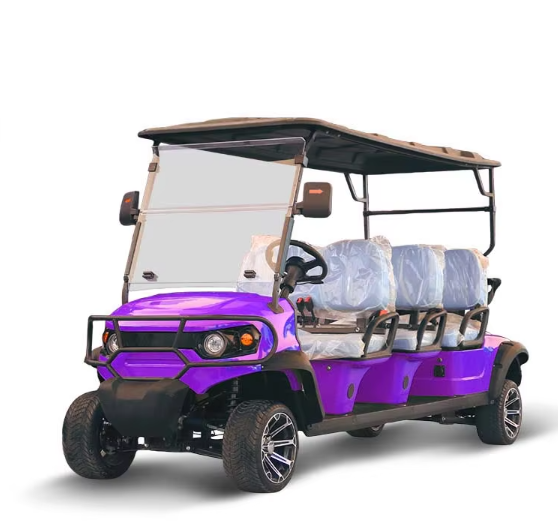
Why a Golf Cart 6 Seater Boosts Operational Efficiency
Shorter Wait Times and Optimized Route Cycles
The six seat golf cart can carry twice as many people per trip compared to regular four seat versions which means shorter lines when things get busy without needing extra carts. With this increased capacity, routes typically take around eight to ten minutes each cycle even when there are lots of guests waiting, so nobody gets stuck at crowded transfer points. According to some real world testing, places that switched to these bigger carts saw guest waiting times drop by about one third compared to traditional shuttles. Plus, since they're smaller overall, these carts can actually go through tight spaces and pretty garden paths where bigger transportation options just won't fit.
Lower Fuel, Maintenance, and Labor Costs vs. Traditional Shuttles
Switching to electric golf cart 6 seater fleets delivers measurable cost reductions across fuel, maintenance, and labor:
| Cost Factor | 6-Seater Golf Cart | Traditional Shuttle |
|---|---|---|
| Fuel/Energy Expense | $0.08/mile | $0.22/mile |
| Annual Maintenance | $320 | $1,150 |
| Staff per Vehicle | 1 operator | 2+ personnel |
Venues have noticed something interesting when switching operators - they're actually moving way more people each hour, which has led to around 30% cutbacks in labor expenses according to reports. The lithium ion batteries these vehicles use can go over 40 miles on a single charge as noted by Oyer Insurance back in 2023. Plus, they consume surprisingly little energy compared to traditional models. No messy oil changes needed here either, so goodbye to all those exhaust repairs and emissions tests that used to eat into budgets. Looking at fleet management records tells another story too. Electric six seaters just need about a third of the maintenance work that gas powered shuttles demand, making them much easier to keep running smoothly day after day.
Golf Cart 6 Seater Deployment Across High-Impact Commercial Venues
Resorts and Hospitality Campuses: Streamlining Guest Mobility
Big resorts often turn to those six seat golf carts when dealing with getting people around from one place to another across their sprawling grounds. Think about all those pools scattered throughout, plus restaurants, villas, and activity spots. These bigger carts can take whole families or small groups at once, which means fewer trips back and forth for the shuttle service and shorter lines waiting for transportation. Resort managers have noticed something interesting too – during busy times like check-ins and check-outs, these larger vehicles get guests where they need to go about 40 percent faster compared to the old four passenger models. And let's face it, happy guests matter. Most visitors (around 83%) say having fast and dependable transport makes a real difference in whether they enjoy their stay or not. Plus there's another benefit nobody talks about much but is super practical: these same carts double as workhorse transports for staff and maintenance teams when business slows down. No extra money spent on new equipment needed for this bonus function either.
Large Event Venues: Managing Peak-Time Crowd Flow
Stadiums and concert venues have started using those little six seat golf carts to handle crowds coming in and going out. These small vehicles can carry six people at once from parking areas to entrance gates, which means they replace what would normally take two or even three smaller carts. This setup boosts how many people get through per hour by around 60% during those busy 30 minute periods when everyone wants to enter or leave at once. Because these carts are so small, they actually work better in crowded hallways and service roads where big shuttles just end up causing more traffic jams. Venue managers say walkways are much less packed after switching to these carts, cutting down on crowd issues by about 35%. The time it takes for people to clear out after events gets noticeably better too. Event organizers mention that complaints about waiting too long for transportation dropped by roughly 22%. Plus, there's built in storage space on these carts that makes it easier to move accessibility gear around and deliver supplies quickly if something goes wrong during an event.
Ensuring Compliance and Infrastructure Readiness for Golf Cart 6 Seater Use
Navigating LSV Regulations and Local Ordinance Requirements
When putting a six passenger golf cart into commercial service, it's important to check if it meets the requirements for Low Speed Vehicles as defined by FMVSS 500. The basics include keeping speeds below 25 miles per hour and having all the required safety gear such as seat belts, working lights, turn indicators, reflective materials, and proper vehicle identification numbers for when they operate near roads. For places like resort properties or business complexes, local rules usually handle things like who can drive these vehicles, where they're allowed to go, what signs need to be posted, and how parking should work. A good idea is to do a thorough walk through of the area to see if pathways are wide enough, figure out how steep hills are (steep slopes over 15 degrees need better brakes), and find good spots for charging stations. Not following regulations can lead to serious problems according to NHTSA reports showing penalties as high as five thousand dollars for each rule broken plus possible shutdowns of operations. Talking early with city planners helps avoid headaches later on since getting approval for routes and facilities upfront makes sure everything complies with local land use regulations before starting operations.