
 EN
EN
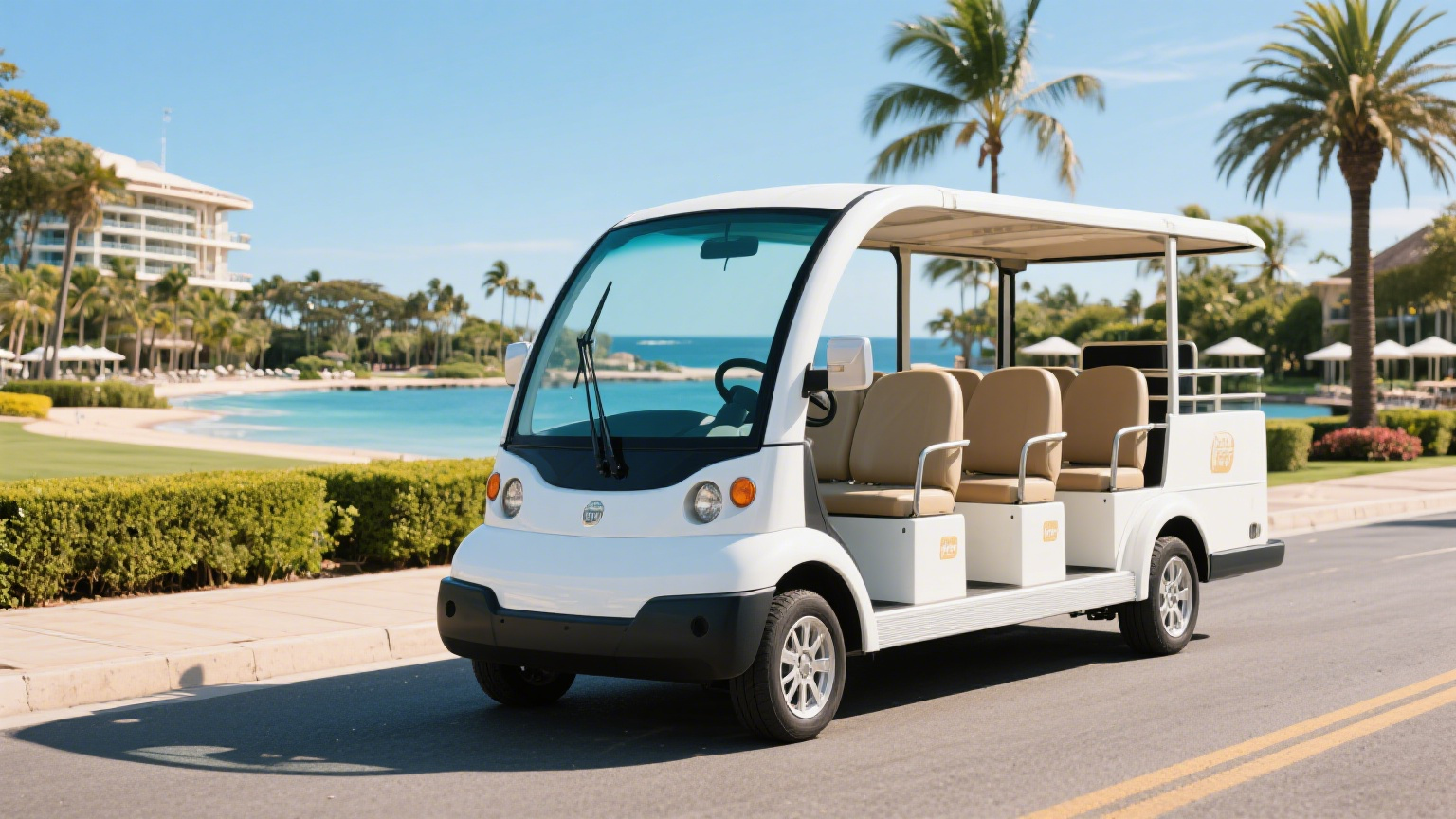
The Australian tourism landscape is uniquely defined by its stunning natural beauty, from coastal retreats and wine regions to vast outback adventures. For resorts operating in these environments, providing exceptional guest experiences is paramount. Electric sightseeing cars have emerged as a perfect solution, offering a quiet, eco friendly, and luxurious mode of transport for guests to explore resort grounds. However, selecting the right vehicle requires careful consideration of Australian conditions. This article explores the key factors resorts should evaluate when choosing the best electric sightseeing cars to enhance their service and sustainability credentials.
Assessing Resort Requirements and Passenger Capacity
The first step in selecting the ideal electric sightseeing car is a thorough assessment of the resort's specific needs. Passenger capacity is a primary concern. Resorts must consider peak guest numbers and typical group sizes. Options range from compact 4 to 6 seater cars, ideal for intimate tours or guest shuttle services, to larger 8 to 14 passenger vehicles suitable for group excursions. The layout of the resort is also critical. Narrow pathways may require smaller, more maneuverable vehicles, while expansive properties with wide roads can accommodate larger models. Understanding these operational demands ensures the selected fleet is both efficient and practical for daily use.
Durability and Adaptation to the Australian Climate
Australian resorts face diverse and often harsh climatic conditions, including intense UV radiation, high temperatures, and coastal salt air. The best electric sightseeing cars for these environments are built with durability in mind. Look for vehicles with robust chassis construction and high quality, UV resistant body materials that prevent fading and cracking. A well ventilated cabin design is essential for guest comfort in the heat. For coastal resorts, corrosion resistant components are non negotiable to protect against salt spray. Choosing a vehicle designed to withstand these elements minimizes maintenance costs and ensures a longer operational lifespan.
Battery Performance and Range for Extensive Grounds
The vastness of many Australian resorts makes battery performance a top priority. A vehicle with insufficient range can lead to operational disruptions and stranded guests. Key specifications to evaluate include the battery type, with Lithium Iron Phosphate (LiFePO4) batteries being preferred for their longer lifespan, stability in heat, and faster charging times compared to traditional lead acid batteries. The vehicle's range on a single charge must comfortably exceed the daily travel requirements of the resort, including multiple tours or shuttle loops. Efficient energy management systems that maximize distance are essential for seamless, all day operation without frequent recharging.
Guest Comfort and Amenities for a Premium Experience
The sightseeing car is a direct extension of the resort's brand, and guest comfort is paramount. The best models offer a smooth, quiet ride that allows guests to enjoy the natural surroundings without engine noise. Amenities such as comfortable, weatherproof seating, ample shade from canopies or roofs, and clear wind screens enhance the experience. Additional features like onboard audio systems for guided tours, USB charging ports, and storage space for personal items can elevate the service from a simple transport solution to a memorable part of the guest's stay. The interior design should reflect the resort's aesthetic, promoting a sense of luxury and attention to detail.
Safety Features and Regulatory Compliance
Operating a passenger vehicle on a resort, whether on private roads or public pathways, demands a strong focus on safety. Essential safety features include robust hydraulic disc brakes for reliable stopping power, headlights and taillights for visibility, and turn signals. Speed governors are crucial to ensure vehicles operate at safe, low speeds appropriate for pedestrian areas. Furthermore, resorts must ensure that the chosen model complies with relevant Australian standards and local state regulations for low speed vehicles. Partnering with a reputable supplier who understands these compliance requirements is critical for legal and insurance purposes.
Conclusion
Choosing the best electric sightseeing car for an Australian resort is a strategic decision that impacts guest satisfaction, operational efficiency, and environmental sustainability. The ideal vehicle seamlessly combines durability to handle local climates, sufficient battery range for large properties, superior guest comfort, and uncompromising safety. By carefully evaluating these factors against their specific operational needs, resort managers can invest in a fleet that not only transports guests but actively enhances their overall experience, providing a quiet, clean, and enjoyable way to discover the unique beauty of their property.