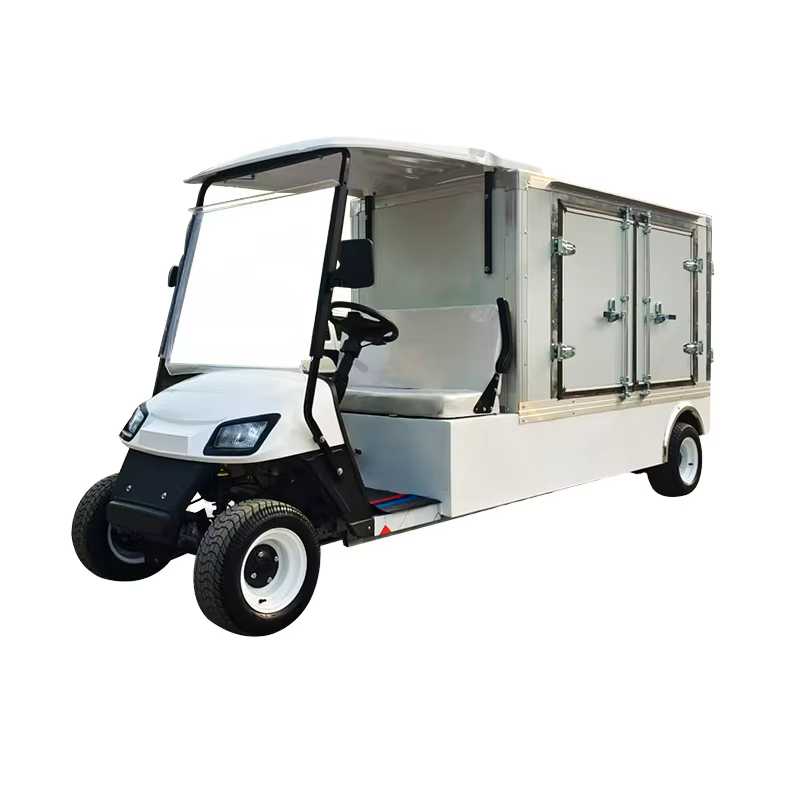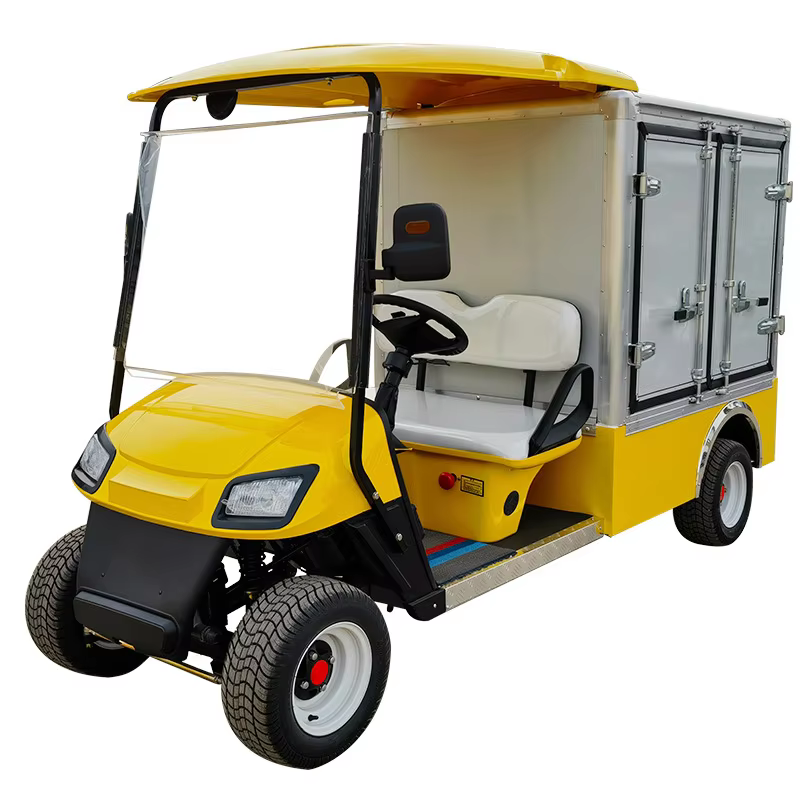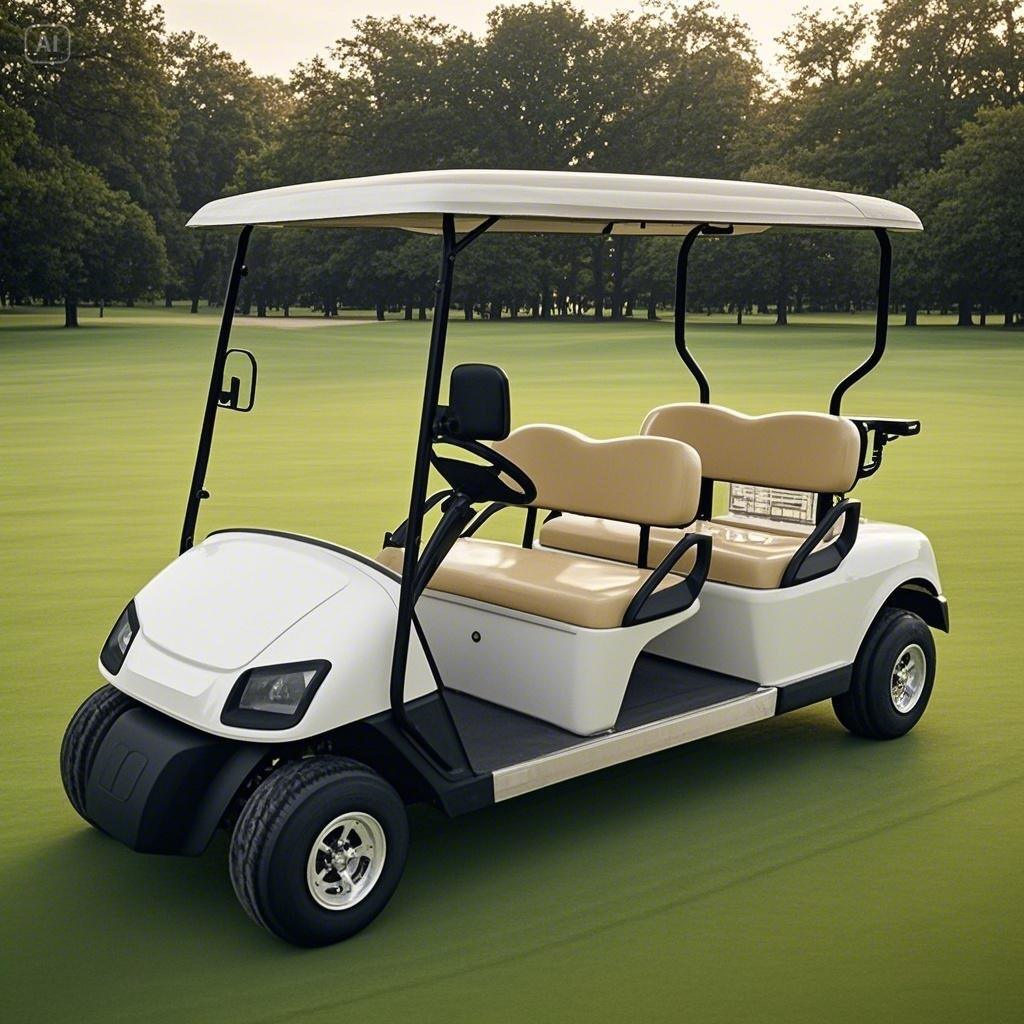

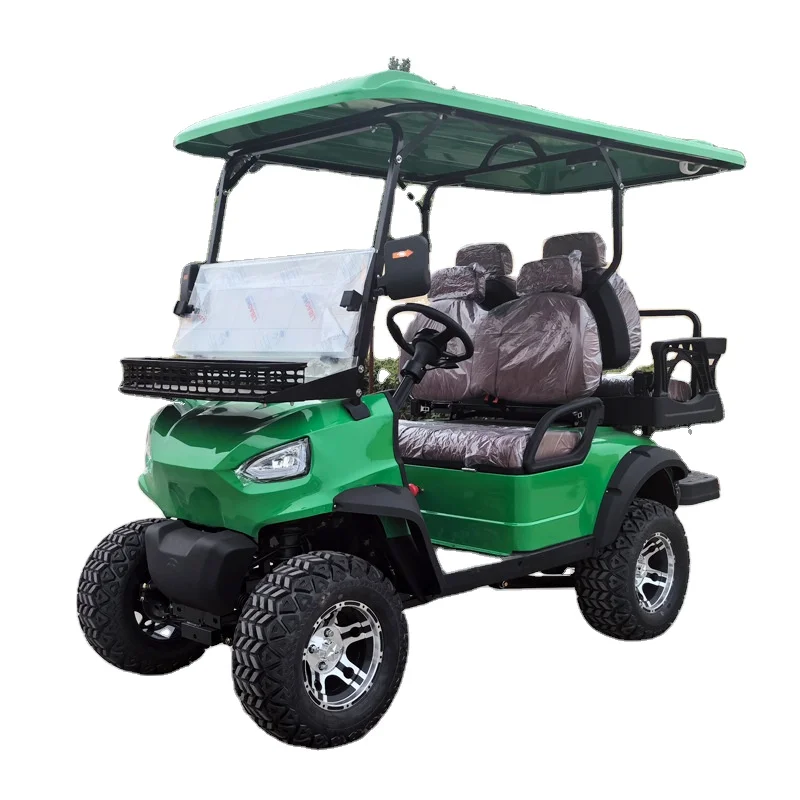
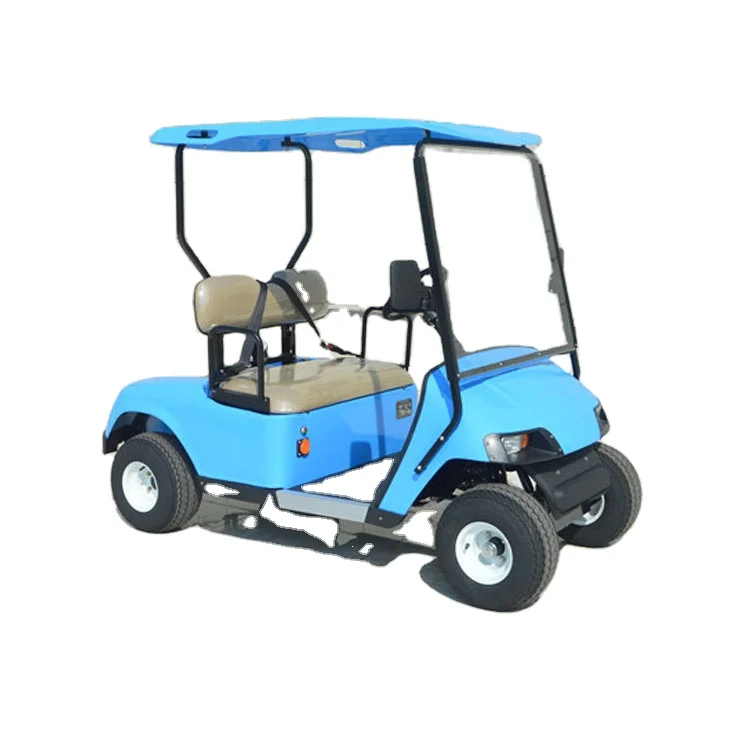
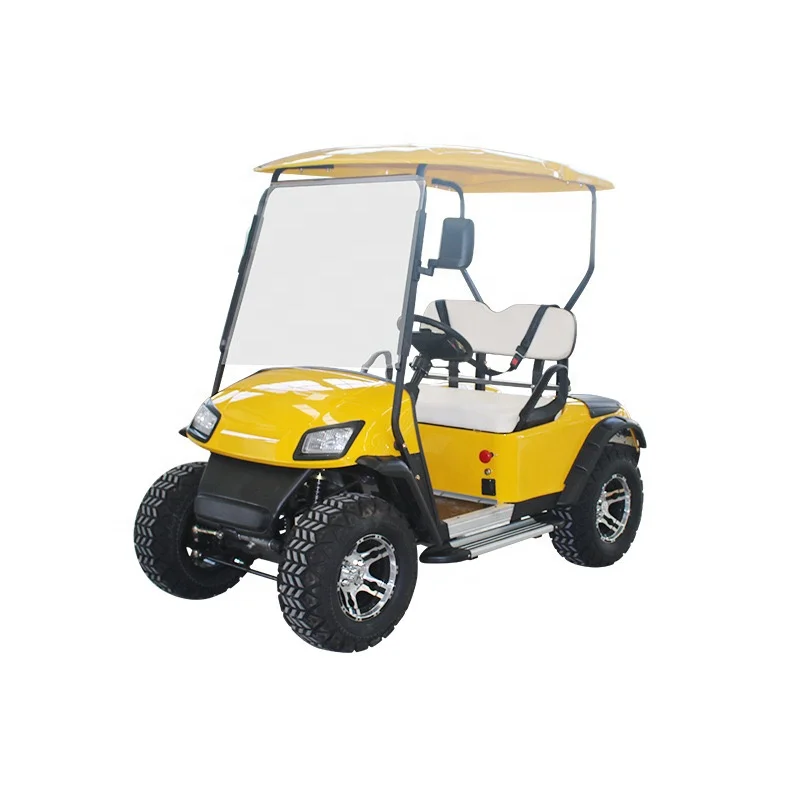
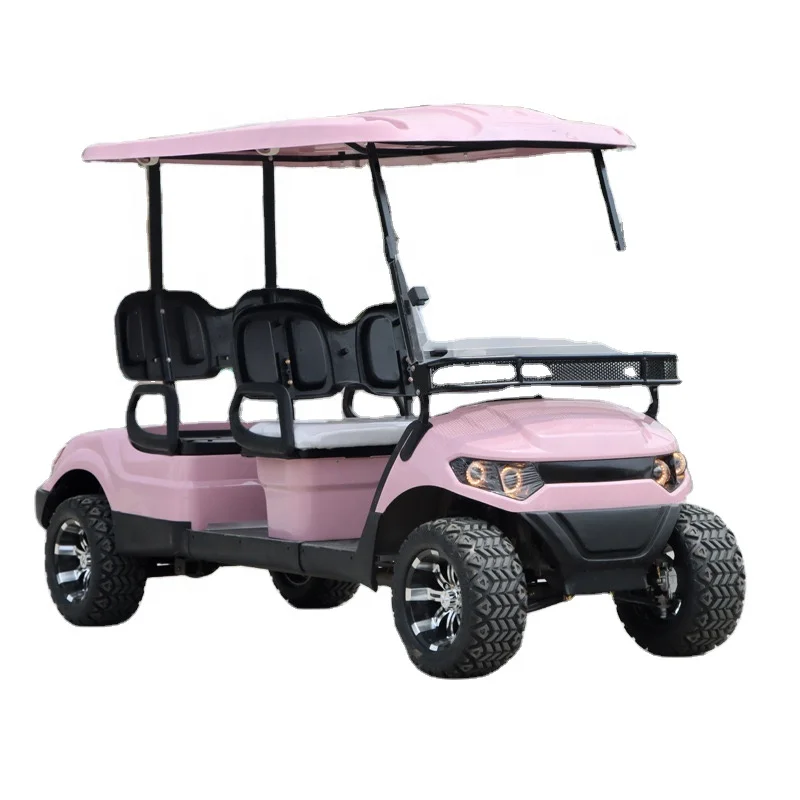
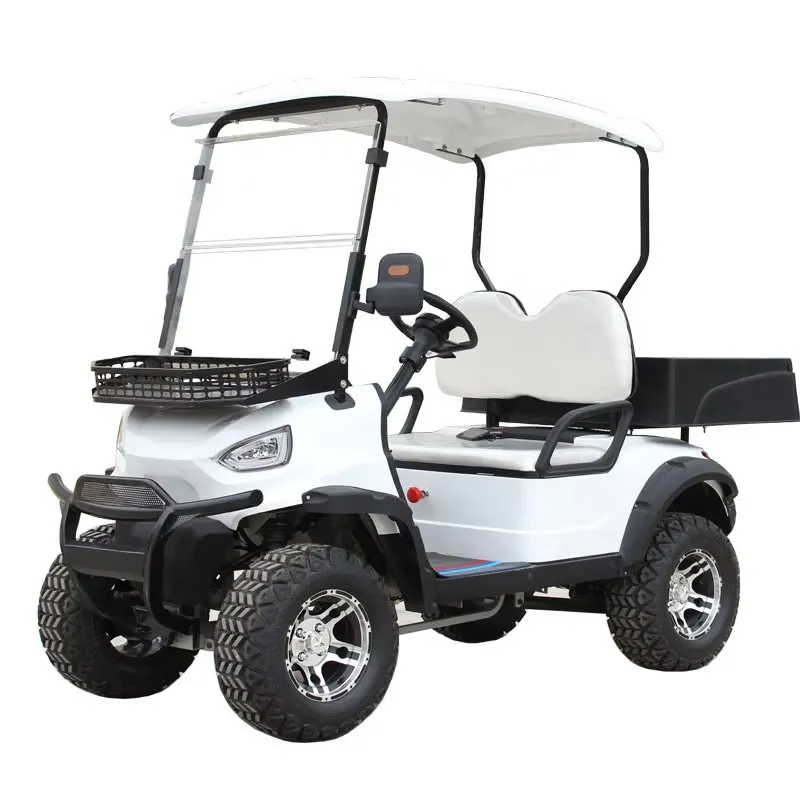
Golf carts equipped with USB charging ports have become a notable innovation in the recreational and utility vehicle market, addressing the growing need for on the go device power. These ports are typically integrated into the dashboard, armrests, or rear storage areas, designed to accommodate various devices such as smartphones, GPS units, tablets, and portable speakers. Most models feature multiple USB ports—often 2.0 or 3.0 standards—with output voltages ranging from 5V to 12V, supporting fast charging for compatible devices. This integration is not merely a convenience but a strategic enhancement, especially in settings like golf courses, resorts, and residential communities where users spend extended periods away from fixed power sources. Technical considerations include built in safety mechanisms such as overcurrent protection, short circuit prevention, and temperature control to safeguard both the devices and the cart’s electrical system. Manufacturers often tailor the placement based on user ergonomics, ensuring easy access without distracting the driver. For instance, ports near the driver’s seat allow quick connection while keeping devices within view, useful for tracking golf scores via apps or navigating course maps. In resort settings, passengers can charge devices during tours, enhancing overall experience. Market demand for such carts has surged as users increasingly rely on digital tools. Golf course managers recognize that integrating USB ports can improve customer satisfaction and differentiate their services. Additionally, these carts often pair with energy efficient batteries, ensuring that the charging function does not significantly drain the cart’s power reserves. Some advanced models even offer smart charging, automatically adjusting power output based on the connected device’s requirements. This blend of practicality and technology makes USB equipped golf carts a sought after option in modern mobility solutions.