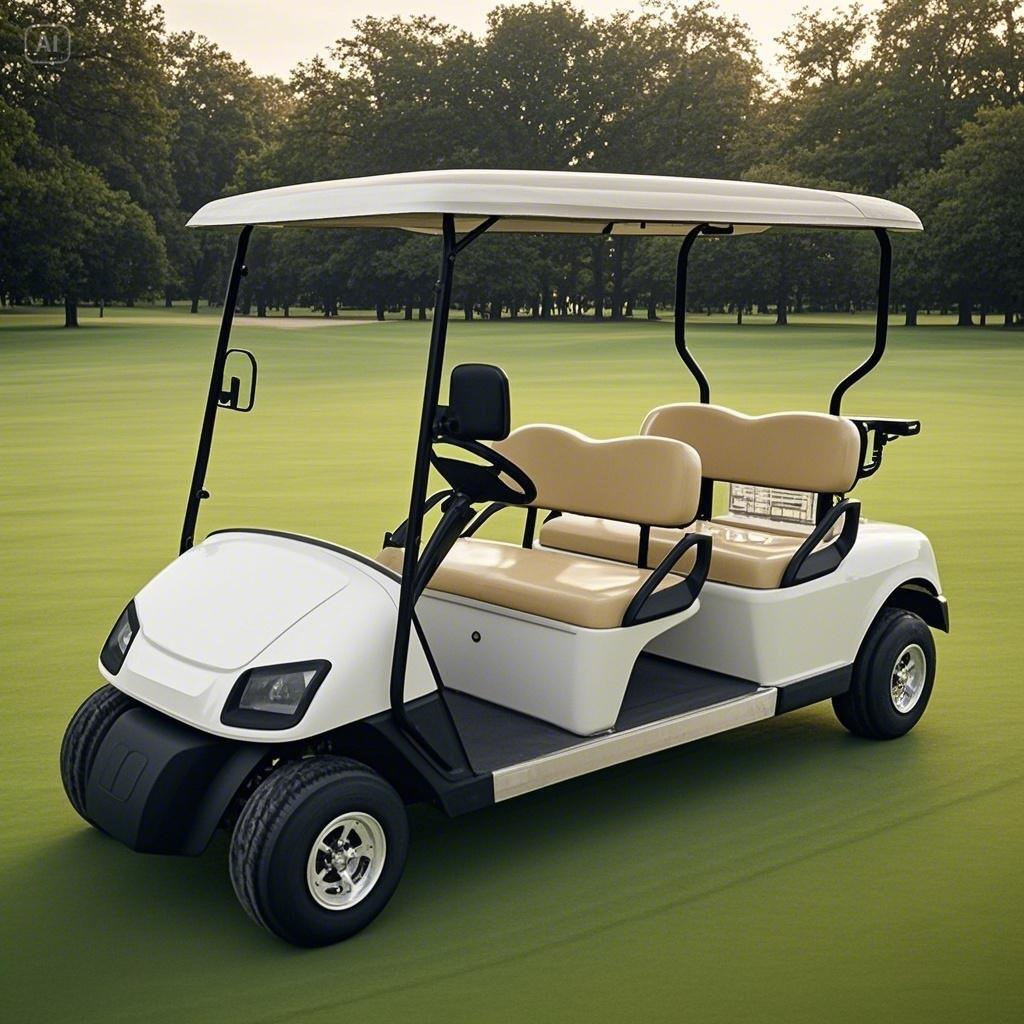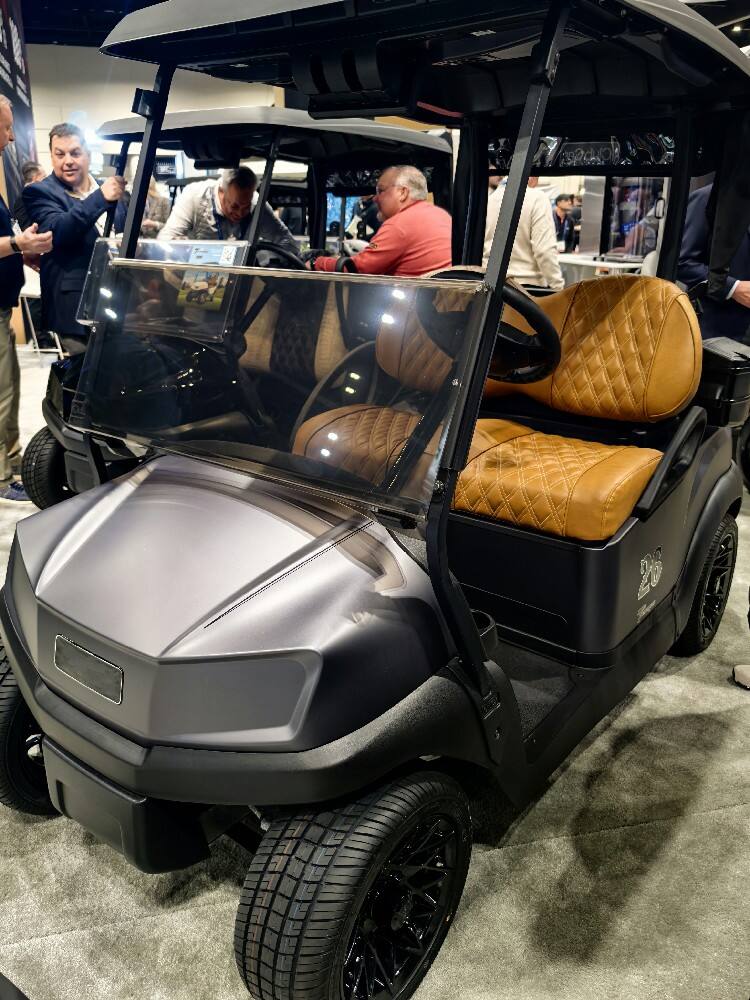

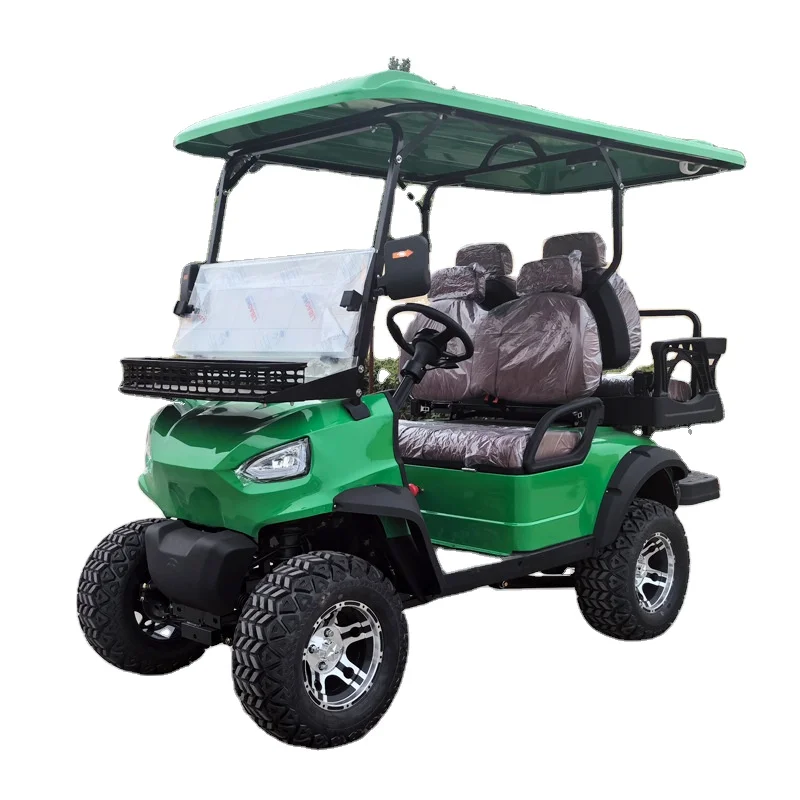
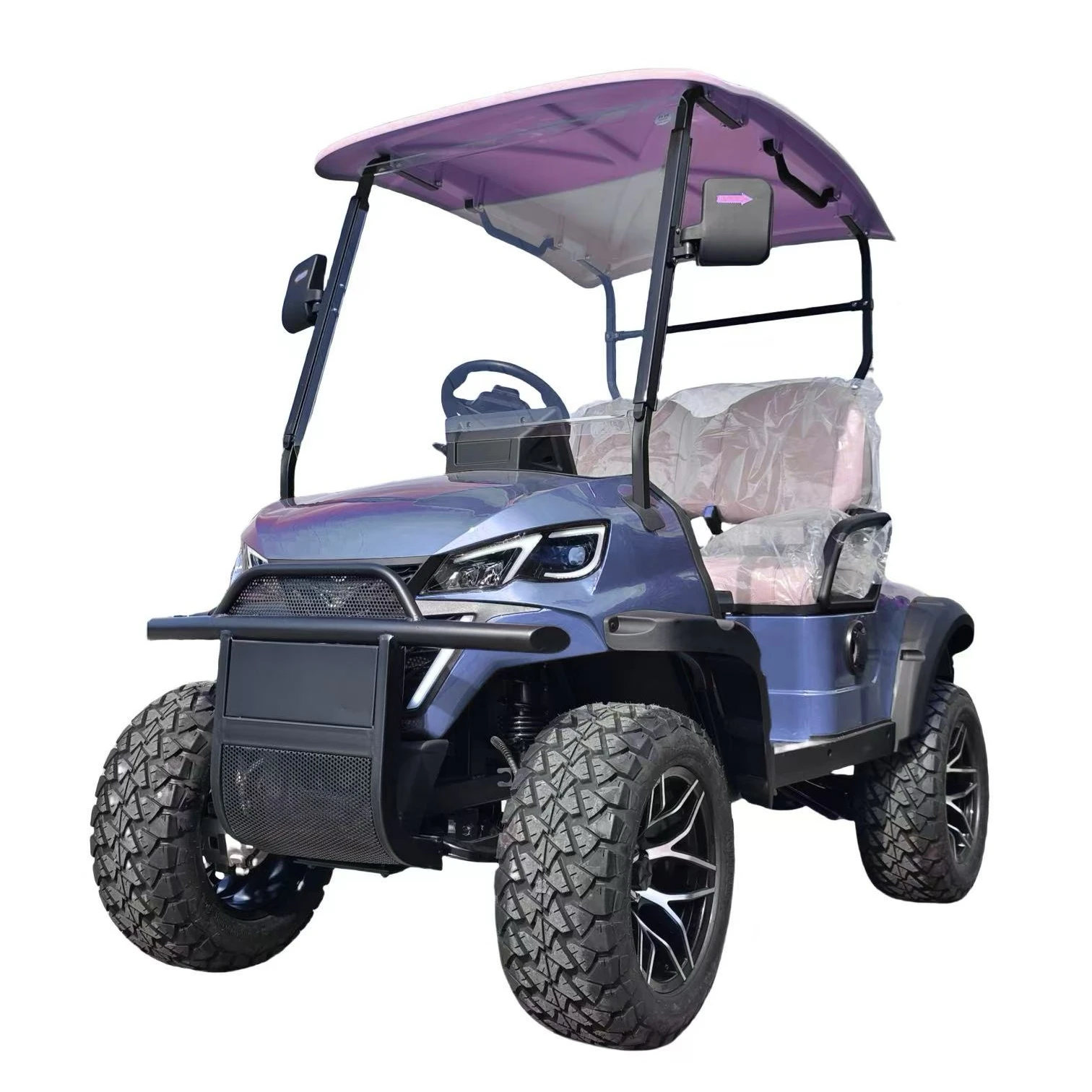
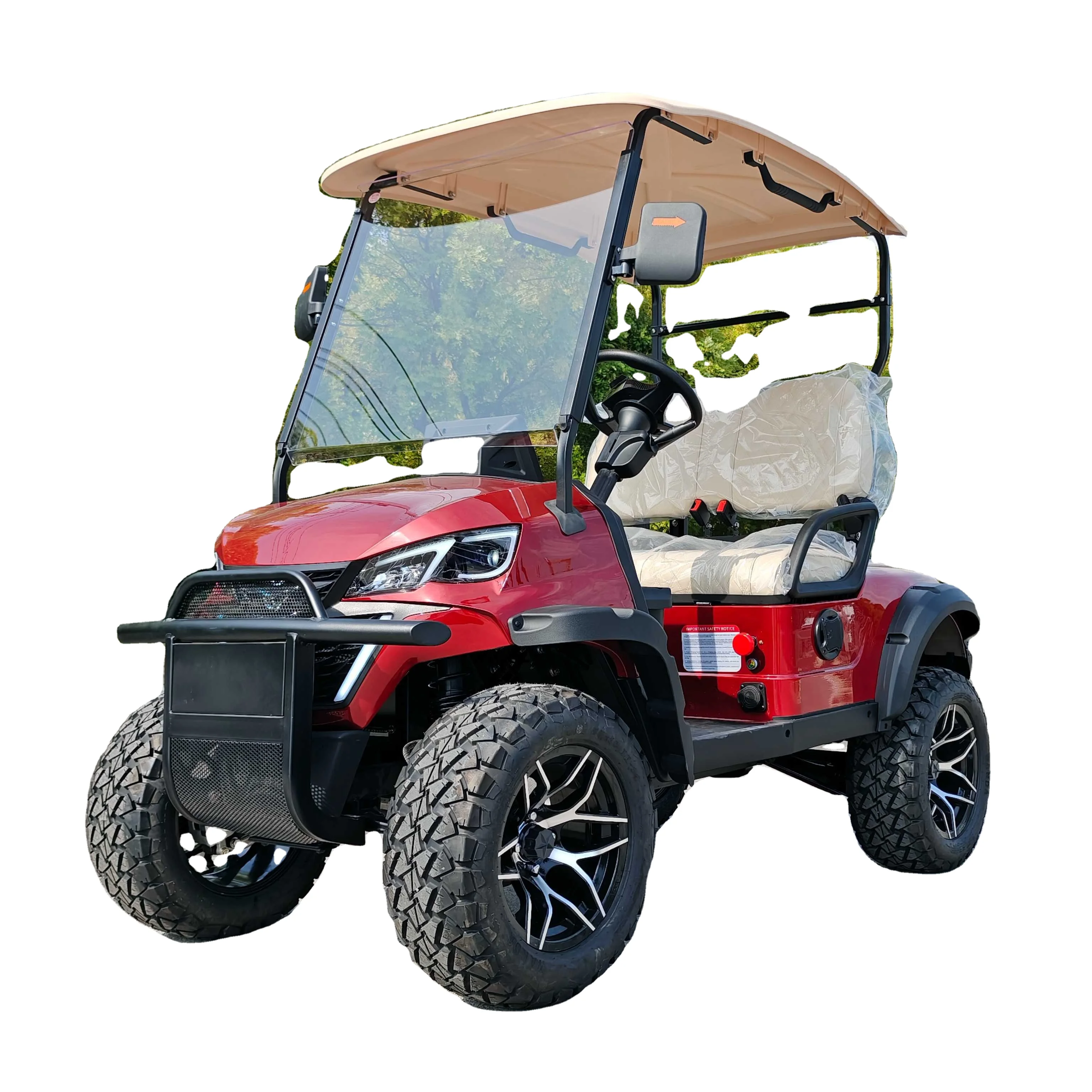
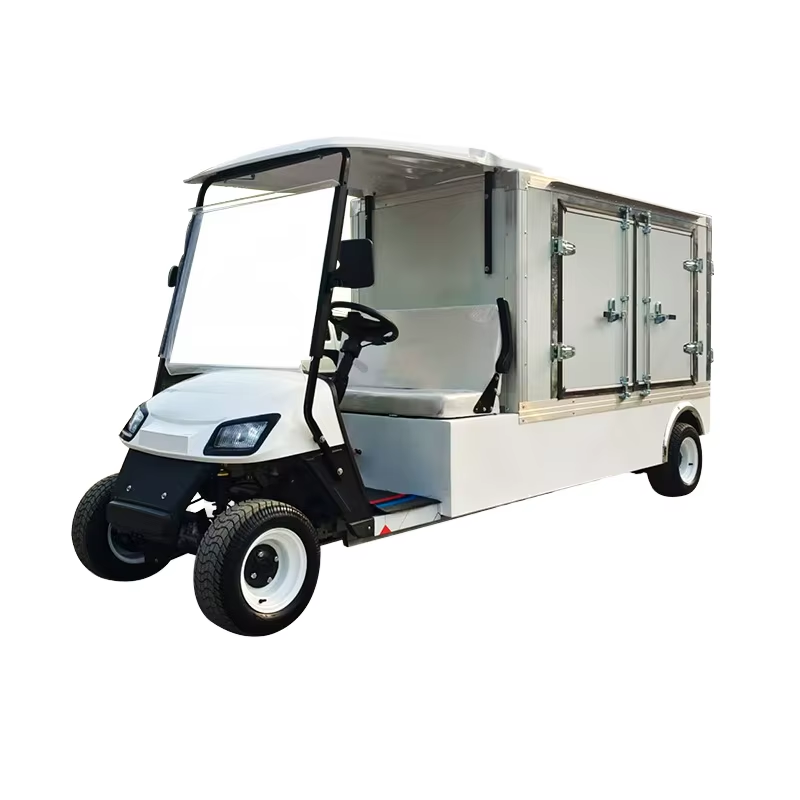
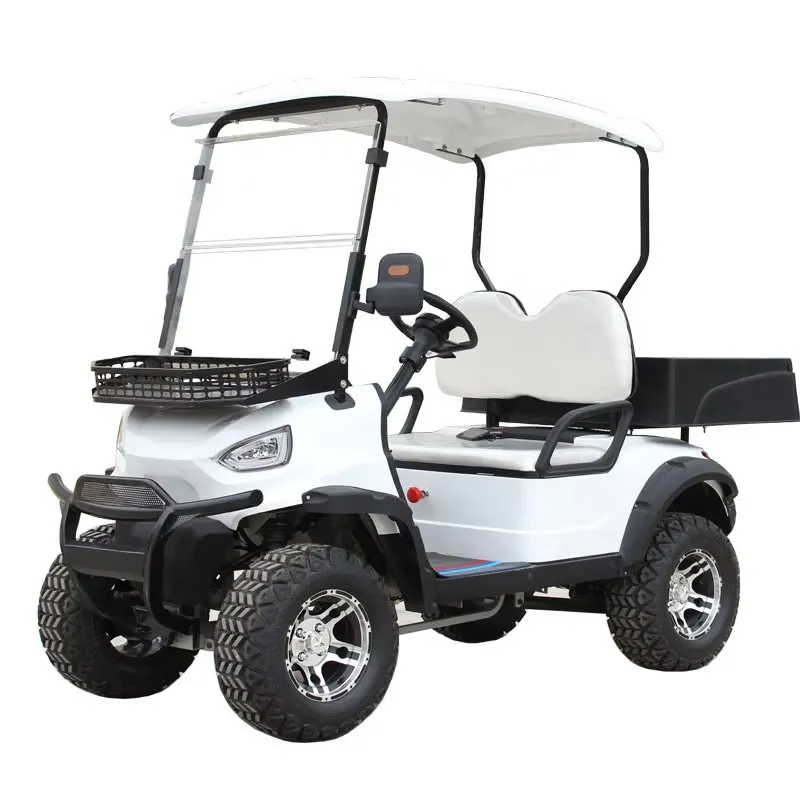
Remote control operated golf carts are transforming accessibility and convenience in golfing and leisure mobility, offering users a seamless way to maneuver the vehicle without direct physical operation. These carts are equipped with sophisticated remote control systems that allow users to start, stop, accelerate, decelerate, and even steer the vehicle from a distance, typically within a range of 50 to 100 meters, depending on the model and environmental conditions. The remote control devices themselves are ergonomically designed, often featuring intuitive buttons or joysticks, ensuring ease of use for individuals of varying ages and technical proficiency. Safety is a paramount consideration in their design. Many models include fail safes such as automatic braking when the remote signal is lost or when obstacles are detected via built in sensors. This prevents unintended movement and minimizes collision risks, making them suitable for use in crowded areas like golf courses, retirement communities, or resort grounds. For users with limited mobility, these carts eliminate the need for strenuous physical effort, enabling greater independence and enjoyment of outdoor activities. Technologically, the remote control functionality is often supported by radio frequency (RF) or Bluetooth connectivity, with some advanced models integrating smartphone apps for enhanced control and customization. These apps may allow users to set speed limits, track the cart’s location, or receive low battery alerts. Manufacturers also focus on durability, ensuring that the remote systems are weather resistant to withstand rain, dust, and extreme temperatures common in outdoor environments. The adoption of remote control operated golf carts is on the rise, driven by their ability to combine convenience, safety, and accessibility, catering to a diverse user base seeking efficient and user friendly mobility solutions.