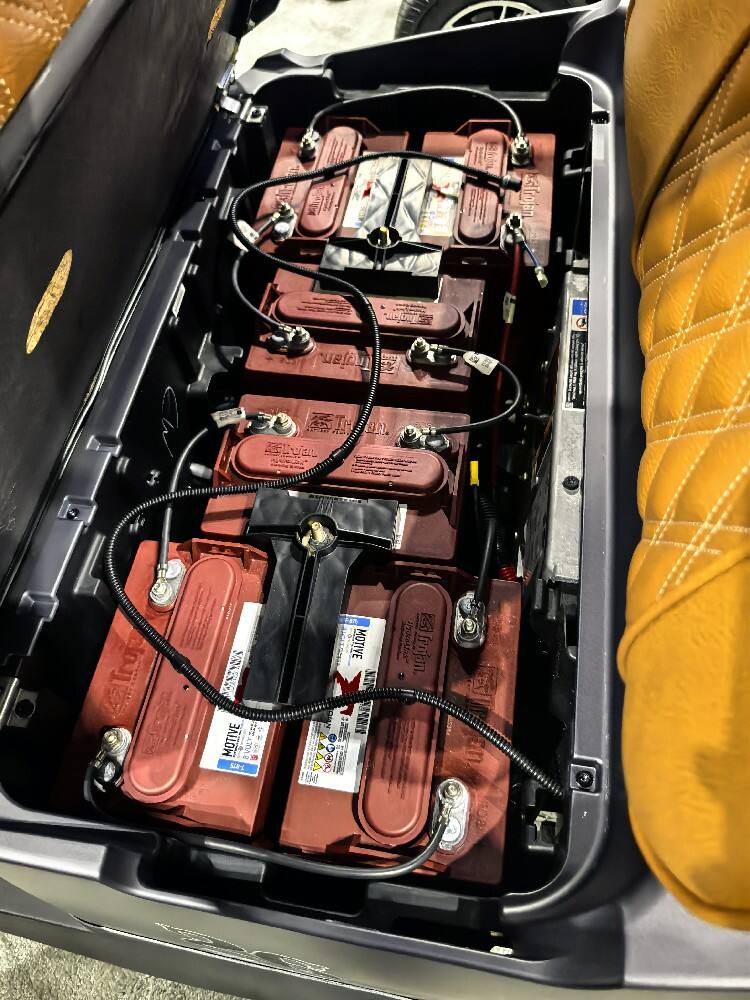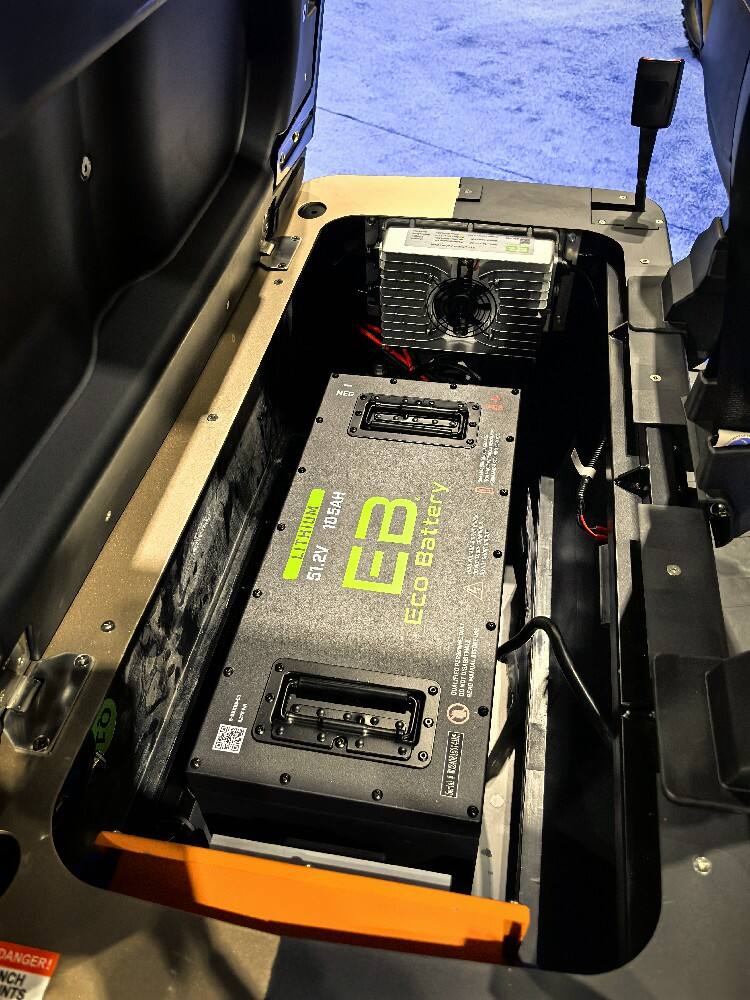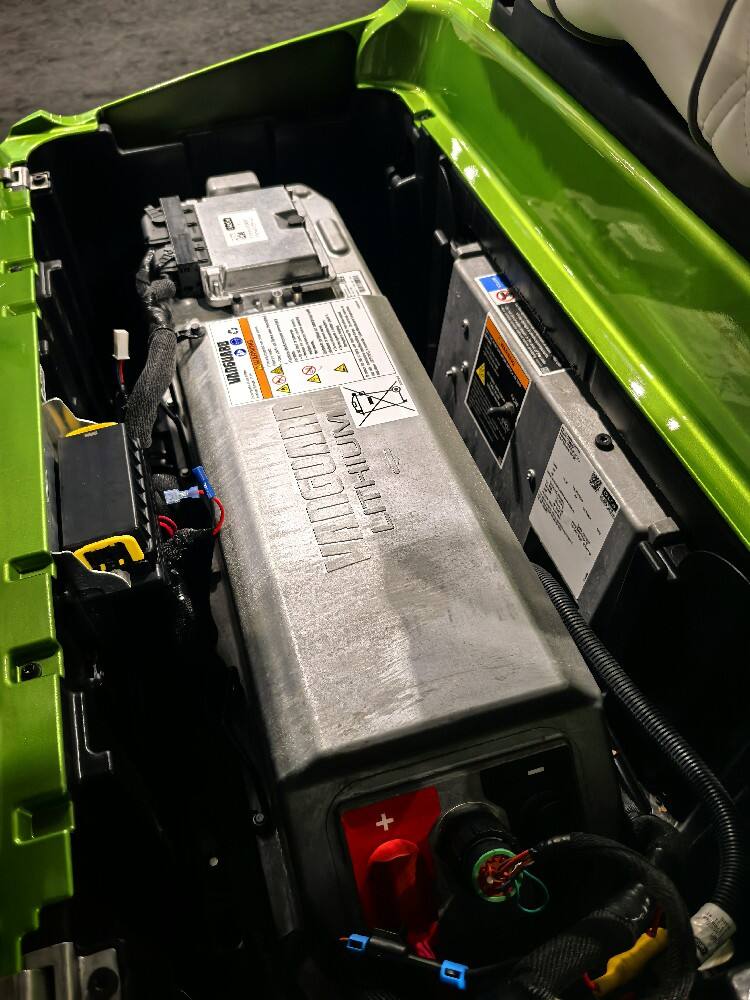

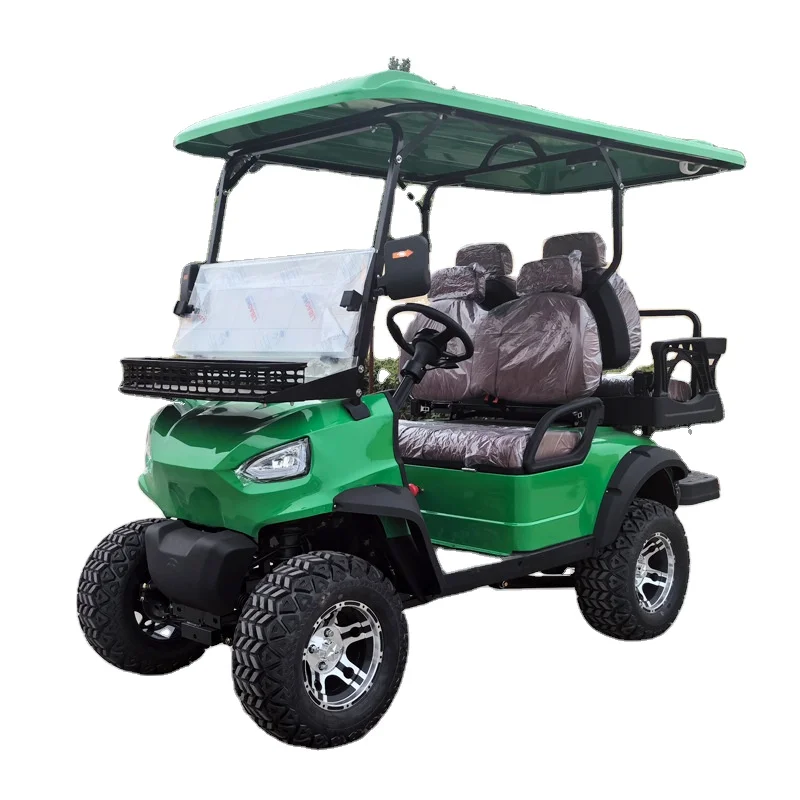
Long life golf cart batteries are a cornerstone of reliable 4x4 golf cart performance, engineered to withstand the rigors of off road terrain and extended usage cycles. These batteries, predominantly lithium ion or advanced lead acid variants, are designed with enhanced chemical compositions and structural reinforcements to maximize cycle life—typically ranging from 500 to 2,000 charge discharge cycles, depending on the technology. Lithium ion models, in particular, offer superior longevity due to their resistance to sulfation, a common issue in lead acid batteries that degrades capacity over time. Key to their durability is the integration of Battery Management Systems (BMS), which regulate charging voltage, current, and temperature to prevent overcharging and deep discharge—two primary factors shortening battery life. BMS also balances cell voltages within the battery pack, ensuring uniform performance and preventing premature failure of individual cells. For 4x4 golf carts, which often operate under heavy loads and in fluctuating temperatures, this thermal and electrical management is critical. Manufacturers optimize electrode materials, such as using high purity graphite anodes and nickel cobalt aluminum (NCA) cathodes in lithium ion batteries, to enhance stability during repeated cycles. Additionally, robust casing materials—like impact resistant polymers or metal alloys—protect internal components from vibrations and impacts common in off road use. In practical terms, a long life battery translates to reduced replacement frequency, lower maintenance costs, and consistent performance across diverse environments, from golf courses to rugged trails. This reliability makes them indispensable for commercial fleets and recreational users alike, ensuring uninterrupted operation even during extended outings.